
What if the most powerful piece of evidence in your PTSD claim isn’t sitting in your medical file, but in the memory of a spouse or a fellow soldier? Medical records often fail to capture the reality of your daily life, leaving a gap between what a doctor sees during a brief visit and what you actually experience at home or work. You likely feel that your clinical notes lack the behavioral details needed to prove the severity of your symptoms. Understanding how to write a va buddy letter for ptsd is the most effective way to provide the VA with a functional snapshot of your life that medical codes simply cannot reflect.
It’s understandable to fear that a letter from a friend or family member will be dismissed as biased. However, when written correctly, lay evidence is a vital tool for proving service connection. You’ll learn how to secure the evidence you need to increase your PTSD rating using a strategic buddy letter framework. We’ll walk through the before and after narrative structure and explain how to use VA Form 21-10210 to your advantage. This guide ensures your lay statements align perfectly with professional medical documentation to build a stronger case for the benefits you earned.
Key Takeaways
- Identify why VA Form 21-10210 is the essential document for submitting lay evidence and how it fills critical gaps in your medical records.
- Utilize the “Before and After” framework to provide the VA with a clear narrative of how your PTSD symptoms have changed your life and personality.
- Learn the specific strategies for how to write a va buddy letter for ptsd that emphasizes observable behaviors while avoiding the common mistake of offering medical opinions.
- Understand how to bridge the gap between lay observations and clinical proof by aligning buddy statements with a professional Disability Benefits Questionnaire (DBQ).
Why a VA Buddy Letter is Critical for PTSD
Your medical records tell only part of the story, but they rarely capture the full impact of PTSD on your social and occupational life. The Veterans Benefits Administration (VBA) is legally required to evaluate competent lay evidence, which includes observations from people who know you best. In 2026, the official standard for these statements is VA Form 21-10210, also known as the Lay Witness Statement. This document provides the lay evidence necessary to bridge the gap between a clinical diagnosis and your lived reality. These letters aren’t medical opinions; they are factual accounts of what people see you struggle with every day.
For many veterans, a brief Compensation and Pension (C&P) exam isn’t enough time to explain the complexity of their trauma. Learning how to write a va buddy letter for ptsd allows your support system to document the behavioral changes that a doctor might miss. These statements are particularly vital for proving non-combat stressors where official records might be thin. When a rater sees consistent evidence from multiple sources, it builds a level of credibility that clinical notes alone cannot provide.
Who Can Write a PTSD Buddy Letter?
Credible letters come from individuals with first-hand knowledge of your condition. Fellow service members are excellent for verifying in-service stressors or the immediate change in your behavior after an event. Spouses, parents, and siblings can document the daily grind of isolation, night terrors, or hypervigilance. Additionally, co-workers or employers can explain occupational impairment, helping the VA understand why your rating should reflect a higher level of social and work-related disability.
Form 21-10210 vs. Form 21-4138
It’s vital to use the correct paperwork during the VA disability claims process. You should use Form 21-10210 for third-party witnesses like friends, family members, or battle buddies. For your own personal statement in support of claim, you will typically use Form 21-4138. Together, these forms create a cohesive narrative that proves your symptoms are service-connected and severe enough to warrant an increase.
The ‘Before and After’ Framework for PTSD Buddy Statements
A compelling buddy statement doesn’t just list symptoms; it tells a story of transformation. To provide the rater with a clear picture, your witness should use a structured ‘Before and After’ narrative on the official VA Form 21-10210. This framework helps document the undeniable shift in your personality and capability that occurred due to your service. When your witness understands how to write a va buddy letter for ptsd using this chronological approach, they provide the ‘missing link’ that medical records often overlook.
Follow these four steps to ensure the statement carries maximum weight with the VA: 🇺🇸
- Step 1: Establish the Relationship. The writer must state how long they’ve known you and the nature of your relationship, such as being a spouse, a sibling, or a fellow squad member.
- Step 2: The ‘Before’ Snapshot. They should describe your personality and level of functioning prior to the service-connected incident. Were you outgoing, reliable, or calm under pressure?
- Step 3: The ‘After’ Reality. This section details specific changes in your behavior, mood, and social interactions observed after the event. It highlights the contrast between who you were and who you became.
- Step 4: Current Severity. The writer provides 2-3 specific examples of how PTSD affects your life today. For instance, they might mention that you can no longer sit with your back to the door in restaurants or that you have frequent night terrors that disrupt the entire household.
If you need help organizing this evidence, Global Vets Consulting offers expert guidance to ensure your lay statements align perfectly with your medical documentation.
Describing the ‘Stressor’ Event
If the buddy witnessed the traumatic event, they must be specific about dates, locations, and the actual threat of death or serious injury. It is critical to describe your immediate reaction to the incident, focusing on feelings of horror, helplessness, or shock. This level of detail helps the VA verify that the stressor meets the clinical criteria for a PTSD diagnosis.
Documenting Social and Occupational Impairment
Functional loss is the most important part of a buddy letter for a rating increase because it shows how the condition limits your ability to work and maintain relationships. The writer should focus on observable behaviors rather than medical guesses. Instead of saying “he is very anxious,” they should write, “he misses 3 days of work a month due to panic attacks.” Specificity creates a clear path toward a higher VA rating. 🌎
Writing for Credibility: Dos and Don’ts for Your Buddy
To ensure your claim carries weight, the individual writing your statement must maintain a high level of credibility. A rater isn’t looking for a medical dissertation; they want an honest, raw account of how your life has changed. When advising someone on how to write a va buddy letter for ptsd, emphasize that their role is to be a witness, not an expert. Authenticity is the most valuable asset in lay testimony. 🇺🇸
Follow these essential guidelines to create a high-quality VA Form 21-10210 submission:
- Do: Use specific, first-hand observations. Instead of saying “he’s jumpy,” write “I saw him jump at the sound of a car backfiring during our walk last Tuesday.”
- Don’t: Try to sound like a doctor. Avoid phrases like “I believe he has chronic PTSD with dissociative symptoms.” Leave the medical terminology to the professionals.
- Do: Be honest about your “worst days” without exaggerating. The VA rater looks for consistency between the letter and the clinical DBQ for mental health.
- Don’t: Use the letter to complain about the VA system. Keep the focus entirely on the veteran’s condition and daily struggles.
If you want to ensure your lay evidence and medical documentation are perfectly aligned, contact Global Vets Consulting for expert evidence education. 🌎
The ‘Competence’ Rule
VA raters distinguish between competent and incompetent evidence. A buddy is competent to describe what they see, hear, or feel, but they aren’t qualified to provide a medical diagnosis. To carry weight without overstepping, frame symptoms as observable behaviors. For example, instead of diagnosing a “panic attack,” describe the sweating, shaking, and gasping for air they witnessed during the episode.
Avoiding Vague Language
Vague language is the enemy of a successful claim. Replace general statements like “He’s not the same person” with specific descriptions like “He no longer attends family gatherings and spends most days in a darkened room.” It’s vital to focus on the frequency, severity, and duration of these behaviors. This level of detail provides the functional snapshot necessary for the VA to understand the true impact of your PTSD. 🌎

Strengthening Your Claim: Combining Buddy Letters with Private DBQs
A buddy letter serves as the emotional heart of your claim, but a professional medical opinion is the spine that holds it together. While you now understand how to write a va buddy letter for ptsd, the real power comes from evidence synergy. When a private doctor reviews your lay evidence before completing a DBQ for va claims, it creates a bulletproof evidence package. This ensures that the clinical findings and your lived reality tell the same consistent story. 🇺🇸
The rater looks for specific alignment across your entire file. Your buddy letter must highlight the same functional limitations that appear in the DBQ’s ‘Social/Occupational Impairment’ section. If your spouse describes you as being unable to maintain friendships, but the medical record suggests only mild social impairment, the contradiction could hurt your credibility. In 2026, submitting a fully developed claim with both lay and medical evidence is the most efficient path to an accurate decision. 🌎
The Global Vets Strategy
Global Vets Consulting helps veterans master the complex ‘VA Math’ and documentation required for a rating increase. We specialize in Mental Health Ratings Education to ensure your medical evidence supports your personal story. Our team acts as a knowledgeable advocate, simplifying the bureaucratic system for those we serve. By providing resources for standardized DBQ documentation, we help you substantiate your claims with high-quality evidence that respects your history of service.
Final Submission Checklist
Accuracy is the key to avoiding unnecessary delays. Before you submit your package, follow these final steps:
- Verify that Form 21-10210 is signed and dated by the witness; an unsigned form is often ignored.
- Confirm the witness’s contact information is accurate because the VA may call to verify their statement.
- Ensure the narrative focuses on observable behaviors rather than trying to diagnose medical conditions.
Call our 24/7 National Client Services Hotline at Global Vets Consulting if you need assistance organizing your evidence package or understanding how to bridge the gap between lay observations and clinical proof. 📞
Secure the VA Rating You Deserve
You now have a strategic framework to turn personal observations into powerful lay evidence. By mastering how to write a va buddy letter for ptsd, you bridge the gap between cold clinical notes and the lived reality of your service-connected condition. Remember that a strong claim requires both the heart of a buddy statement and the spine of a professional medical opinion. Ensuring these two pieces of evidence align is the most effective way to reduce anxiety and create a predictable path toward a successful VA rating increase.
Global Vets Consulting is veteran-owned and operated, and we are dedicated to helping you secure the benefits you earned. We specialize in high-quality DBQ documentation and offer a 24/7 National Client Services Hotline to support your evidence-gathering process. Ready to back up your buddy letters with professional medical evidence? Explore our DBQ services today and take the next step toward a bulletproof claim. You’ve served your country with honor, and we’re here to ensure the system respects that history.
Frequently Asked Questions
What if I can’t find anyone from my unit to write a buddy letter?
You can still build a powerful case using statements from family members, friends, or even former employers. While a unit member is helpful for verifying a specific stressor, anyone who has observed your personality changes over time is a competent witness. Learning how to write a va buddy letter for ptsd using these “civilian” sources is a proven way to document your functional loss when military records are incomplete.
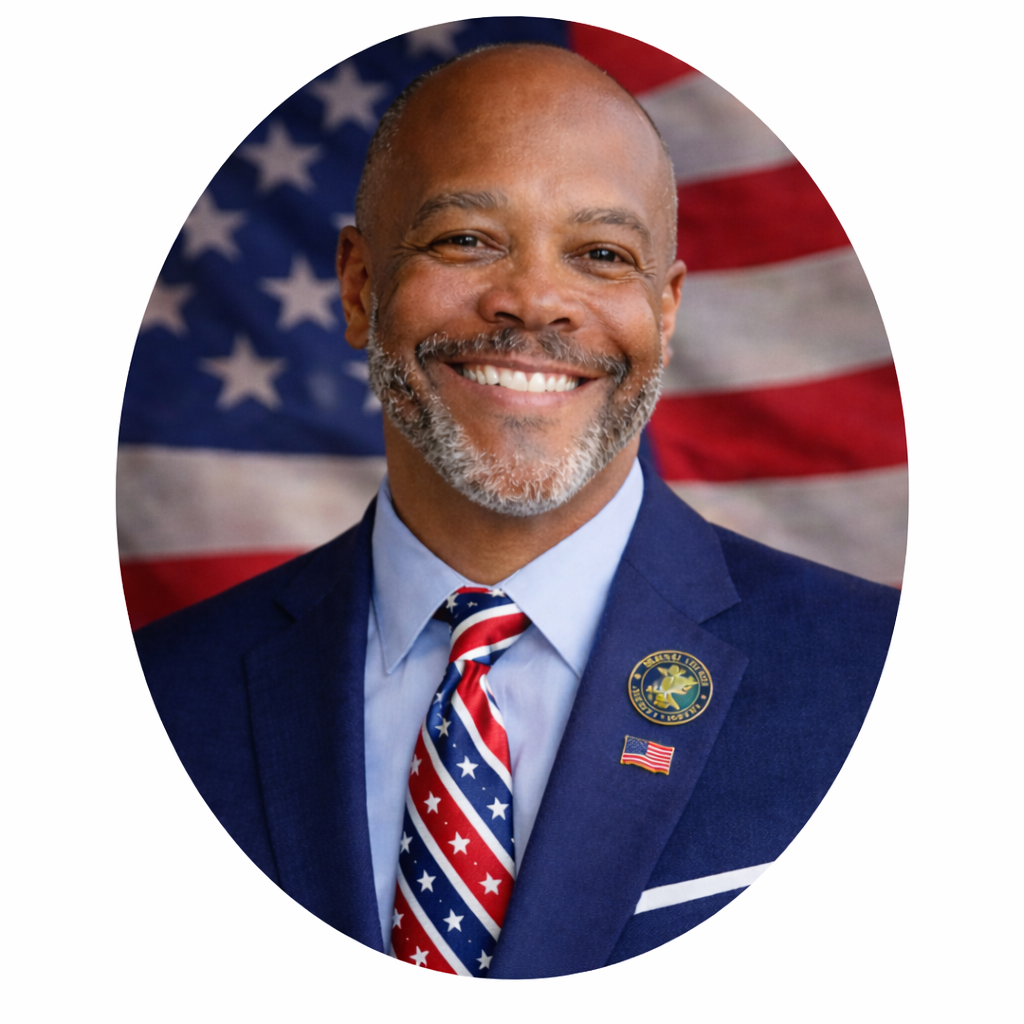
Article by
Willie Daniel
Willie Daniel is the Founder and Chief Executive Officer (CEO) of Global Vets Consulting (GVC) – National Veterans Disability Services, a veteran-led educational and medical evidence support organization dedicated to helping veterans better understand VA disability rating increases, DBQ medical evidence, secondary claims education, and C&P examination preparation.
He is a retired U.S. Army Medical Service Corps Officer with more than 27 years of honorable military service, a decorated Iraq combat veteran, and a retired federal official with the U.S. Department of Veterans Affairs. Throughout his military and federal career, Willie Daniel served in leadership, healthcare administration, operational, and veteran-support roles focused on improving services and support systems for servicemembers, veterans, and their families.
Drawing from decades of military leadership, healthcare administration, veteran advocacy, and federal government experience, Willie Daniel brings a practical, veteran-centered perspective to Global Vets Consulting’s educational articles, AI-powered veteran resources, video education initiatives, and outreach programs. His experience navigating military systems, medical documentation processes, and veteran-related administrative operations provides valuable insight into many of the challenges veterans face when seeking to better understand VA disability rating criteria, medical evidence, documentation strategies, and secondary condition education.
Through GVC’s “Veterans Helping Veterans” mission, his focus is on delivering clear, educational, and easy-to-understand information designed to empower veterans with knowledge, resources, and educational tools that may help them make more informed decisions regarding their individual VA disability journeys.
The information provided through GVC is intended for educational and informational purposes only and should not be considered legal or medical advice.
Disclaimer
Disclaimer: Global Vets Consulting, LLC (“GVC”) is a veteran-led educational and medical evidence support organization. GVC is not a law firm, is not a Veterans Service Organization (VSO), and is not affiliated with the U.S. Department of Veterans Affairs (VA) or any government agency.
Global Vets Consulting does not provide legal advice, medical advice, medical treatment, or healthcare services. GVC does not prepare, file, or submit VA disability claims on behalf of veterans. All information provided through this website, blog articles, videos, educational materials, AI tools, dashboards, templates, and communications is intended solely for general educational and informational purposes.
Veterans are encouraged to consult with accredited representatives, licensed attorneys, qualified medical providers, or Veterans Service Organizations regarding their specific legal, medical, or VA-related matters. VA disability decisions, ratings, and outcomes are determined solely by the U.S. Department of Veterans Affairs based on applicable laws, regulations, medical evidence, and individual circumstances. Past results do not guarantee future outcomes.