
What if your VA denial letter isn’t actually a “no,” but rather a specific checklist of exactly what you need to win? It’s incredibly frustrating to invest in professional assistance only to receive a rejection in the mail. You’re likely asking, what happens if my paid va claim is denied and all that time feels wasted? You aren’t alone in feeling like the system is rigged, especially when the complex “legalese” in your decision letter makes it difficult to see a clear path forward.
We understand that the fear of losing years of backpay is stressful. However, a denial is often just a roadmap identifying a specific gap in your medical evidence. This 2026 recovery guide will show you exactly how to decode your letter and leverage professional medical evidence to turn a denial into a successful rating increase. We’ll walk through the three decision review lanes and the updated 2026 disability rates to ensure you have the tools to protect your effective date and secure the benefits you earned.
Key Takeaways
- View your denial letter as a diagnostic tool that identifies which of the “Big Three” requirements—diagnosis, in-service event, or medical nexus—is missing from your file.
- Navigate the 2026 decision review lanes with confidence by understanding when to use a Supplemental Claim for new evidence versus a Higher-Level Review for existing errors.
- Learn how to leverage a private DBQ to highlight your specific functional loss, ensuring the VA sees the true impact of your condition on your daily life.
- Clear the confusion about what happens if my paid va claim is denied by following a structured recovery plan designed to secure your earned rating increase.
- Master the process of reviewing your Rating Decision letter line-by-line to identify and address the specific deficiencies that led to the initial rejection.
Decoding the Denial: Why Your Claim Was Rejected Despite Professional Help
Receiving a denial letter is a punch to the gut, especially after you’ve invested time and resources into professional assistance. You might feel like the system is rigged or wonder exactly what happens if my paid va claim is denied after doing everything “by the book.” It’s vital to shift your perspective here. A denial letter from the Veterans Benefits Administration (VBA) isn’t a final door closing; it’s actually a diagnostic tool that tells you exactly where your evidence fell short. Think of it this way: a VA denial is a formal request for more specific medical evidence.
To win any claim, you must satisfy the “Big Three” requirements. If any of these are weak, the claim fails regardless of who helped you file it:
- A Current Diagnosis: You must have a formal medical diagnosis for the condition you’re claiming.
- An In-Service Event: You need proof of an injury, illness, or event that happened during your military service.
- A Medical Nexus: This is the “link” or “bridge” connecting your current diagnosis to your service.
Many “paid” claims fail because they focus too much on the diagnosis and not enough on “functional loss.” The VA doesn’t just pay for a label; they compensate you for how a condition limits your ability to work and live. If your medical documentation lacks specific details on range of motion, frequency of flare-ups, or cognitive limitations, a denial is likely.
Common Evidence Gaps in Private DBQs
Even a professionally prepared Disability Benefits Questionnaire (DBQ) can be rejected if it’s incomplete. Common gaps include missing clinical findings, such as specific diagnostic test results or imaging reports. Additionally, the medical provider must use the correct legal standard, stating the condition is “at least as likely as not” caused by service. If the documentation fails to describe how the condition affects your “social and industrial” life, the VA may determine the evidence is insufficient to grant a rating.
The Role of Service Connection
The VA often denies claims because the link between service and the condition isn’t clear. This is especially true for secondary service connections, where one service-connected disability causes another. A VA claim denied for lack of evidence often stems from documentation that doesn’t explicitly explain this relationship. Without a clear medical nexus, the VA cannot legally grant the benefit, making high-quality medical education and precise documentation essential for your recovery strategy.
Choosing Your Path: The Three VA Decision Review Lanes for 2026
Once you’ve decoded the reason for your rejection, you need a clear strategy to move forward. Understanding what happens if my paid va claim is denied involves knowing how to navigate the Three VA Decision Review Lanes available under the current appeals framework. Each lane serves a different purpose; choosing the wrong one can lead to months of unnecessary delays and continued financial frustration. It’s not just about refiling; it’s about choosing the path that addresses the specific evidence gap in your file.
When to File a Supplemental Claim
This is often the most effective route for recovery. A Supplemental Claim is used when you have “new and relevant” evidence that the VA hasn’t seen before. In 2026, the gold standard for this lane is a private Disability Benefits Questionnaire (DBQ). This document provides the granular medical detail needed to bridge the gap identified in your denial letter. Approximately 90% of the veterans we educate find success in this lane by submitting high-quality medical documentation that specifically addresses their functional loss and service connection.
The Limitations of Higher-Level Review
A Higher-Level Review (HLR) is a “closed record” review. This means you cannot submit any new medical evidence, buddy statements, or DBQs. You should only choose this lane if you’re certain the VA made a Clear and Unmistakable Error (CUE) based on the evidence they already had. If you’re asking what happens if my paid va claim is denied because the rater overlooked a specific document in your file, HLR is the right tool. However, if your denial was due to a lack of evidence, an HLR will likely result in another denial because the senior reviewer is restricted to the original, insufficient file. For complex legal disputes, you might consider a Board Appeal, though these often take significantly longer to resolve.
Success often comes down to choosing the right lane for your specific evidence. If you aren’t sure which path to take, exploring expert guidance on VA rating increases can provide the clarity you need to win your appeal and secure your earned benefits.
Turning the Tide with High-Quality Medical Evidence
Securing a win after an initial rejection requires a shift from proving you have a condition to proving how that condition limits your life. Many veterans wonder what happens if my paid va claim is denied despite submitting professional forms. Often, the issue isn’t the diagnosis itself but a lack of detail regarding “functional loss.” The VA compensates you based on the severity of your symptoms and how they impact your social and industrial capacity. If your evidence only lists a name for your pain without describing your inability to stand for more than ten minutes or your frequent missed work days, the rater lacks the data needed to grant a higher percentage.
A private DBQ serves as a powerful corrective to a rushed C&P exam. While a VA examiner might spend fifteen minutes with you, a comprehensive medical education approach ensures your documentation captures the full scope of your disability. This level of precision is vital for bridging the gap between primary and secondary conditions. For instance, linking migraines to a service-connected neck injury requires a clear medical rationale backed by standardized clinical evidence. If the record shows no error but lacks this depth, you might choose to request a Higher-Level Review to challenge the rater’s interpretation of existing facts, though adding new evidence via a Supplemental Claim is often more effective.
The Importance of the Nexus Statement
The nexus is the most common point of failure for secondary claims. To succeed in 2026, your medical evidence must meet the “at least as likely as not” evidentiary threshold. This isn’t just a phrase; it’s a legal standard. Your provider must explain the “why” and “how” behind the connection. Without a strong nexus statement that provides a logical medical bridge to your service, even the most severe symptoms may be dismissed as unrelated to your time in uniform.
Using Lay Evidence to Support Medical Findings
Medical forms are technical, but your life is personal. Buddy statements and personal impact statements provide the context that checkboxes often miss. When you integrate these personal accounts with a professional dbq for mental health conditions, you create a cohesive narrative that is difficult for the VA to ignore. These statements shouldn’t just repeat medical facts; they should describe specific instances where your condition interfered with your daily routine. If you’re ready to strengthen your evidence, learn how high-quality medical documentation can secure your rating increase.

Taking Action: How to Re-Submit and Secure Your Earned Rating
It’s time to move from frustration to execution. While the initial rejection is a setback, your strategy for recovery starts with a methodical approach to the evidence. You’re likely still wondering what happens if my paid va claim is denied and how to ensure the next attempt is successful. The answer lies in addressing the VA’s specific concerns with surgical precision rather than just resubmitting the same paperwork and hoping for a different result.
Follow these four steps to get your claim back on track:
- Step 1: Review your Rating Decision letter line-by-line. Look for the “Reasons for Decision” section to find the exact evidence gap, whether it’s a missing nexus or a lack of clinical findings.
- Step 2: Obtain a professional DBQ that specifically addresses the deficiencies noted by the VA. High-quality medical documentation is the only way to counter a negative C&P exam.
- Step 3: Submit your Supplemental Claim using VA Form 20-0995. This form is the vehicle for your new evidence package and protects your original effective date.
- Step 4: Monitor your claim status via VA.gov or connect with your 24/7 Veteran Intake Specialist to ensure your evidence was received and processed correctly.
How Global Vets Consulting Helps You Win
Our “Veterans Helping Veterans” approach ensures your documentation is handled with the care and precision you deserve. We specialize in streamlining the gathering of high-quality medical evidence, helping you avoid the common pitfalls of the va disability claims process. By focusing on technical accuracy and functional loss, we help you present a case that is difficult for the VA to deny. We don’t just provide information; we provide a clear, predictable path forward.
Next Steps and Immediate Support
Don’t let your one-year appeal window close. If you miss this deadline, you risk losing the backpay you’ve earned since your original filing date. Understanding what happens if my paid va claim is denied means knowing that speed and accuracy are your best allies. We’re ready to stand with you as a knowledgeable advocate and steady guide. Contact our 24/7 National Client Services Hotline today for an immediate evidence review and take the first step toward securing your successful rating increase.
🇺🇸 Global Vets Consulting
🌐 GlobalVetsConsultingInfo.com
📞 24/7 National Client Services Hotline
Secure Your Earned Benefits with a Clear Recovery Plan
A claim denial is a temporary setback, not the end of your journey. By decoding your decision letter and identifying specific evidence gaps, you can turn a rejection into a roadmap for success. Focus on documenting your functional loss and choosing the Supplemental Claim lane to introduce the new medical evidence the VA requires. Now that you understand what happens if my paid va claim is denied, you can take decisive action to protect your original effective date and secure your backpay.
Global Vets Consulting is veteran-owned and operated, serving as specialists in DBQ preparation since 2021. Our 24/7 AI Veteran Intake Specialist is available around the clock to help you navigate these complexities with steady confidence. You’ve served your country with honor; now let us help you secure the rating you deserve.
🇺🇸 Get the Medical Evidence You Need to Win—Contact Global Vets Consulting Today!
Victory is within reach when you have the right medical evidence on your side. Stay the course, follow the plan, and don’t let your hard-earned benefits slip away.
Frequently Asked Questions
What is the most common reason a paid VA claim is denied?
The most common reason for denial is a lack of a clear medical nexus or insufficient proof of functional loss. Even if you paid for professional assistance, the VA may find that the evidence doesn’t clearly link your current diagnosis to an in-service event. They also look for specific details on how your condition limits your ability to work and live, which generic forms often miss.
Can I submit a new DBQ after my claim has already been denied?
You can absolutely submit a new DBQ by choosing the Supplemental Claim lane. This is a primary step in understanding what happens if my paid va claim is denied and you need to address specific medical evidence gaps. The new DBQ must provide “new and relevant” information that the VA rater didn’t have during the initial decision process to trigger a new review.
How long do I have to appeal a VA denial before I lose my backpay?
You have exactly one year from the date printed on your decision letter to file an appeal. Meeting this 12-month deadline is vital because it preserves your original “effective date.” If your appeal is successful within this window, you’ll receive backpay covering the entire period since you first filed, ensuring you don’t lose the compensation you’ve earned.
Is a private DBQ better than a VA C&P exam for an appeal?
A private DBQ often provides a more comprehensive view of your disability than a standard C&P exam. VA examiners are frequently under tight schedules and may spend very little time reviewing your medical history. A private medical professional can take the time to document clinical findings and functional loss that accurately reflect your daily struggles and meet 2026 evidentiary standards.
What is the difference between a Supplemental Claim and a Higher-Level Review?
A Supplemental Claim allows you to add new medical evidence to your file, while a Higher-Level Review is a “closed record” audit by a senior rater. Choose a Supplemental Claim if you have a new DBQ or buddy statement to submit. Use a Higher-Level Review only if you believe the evidence already in your file was sufficient and the rater simply made a clear error.
Article by
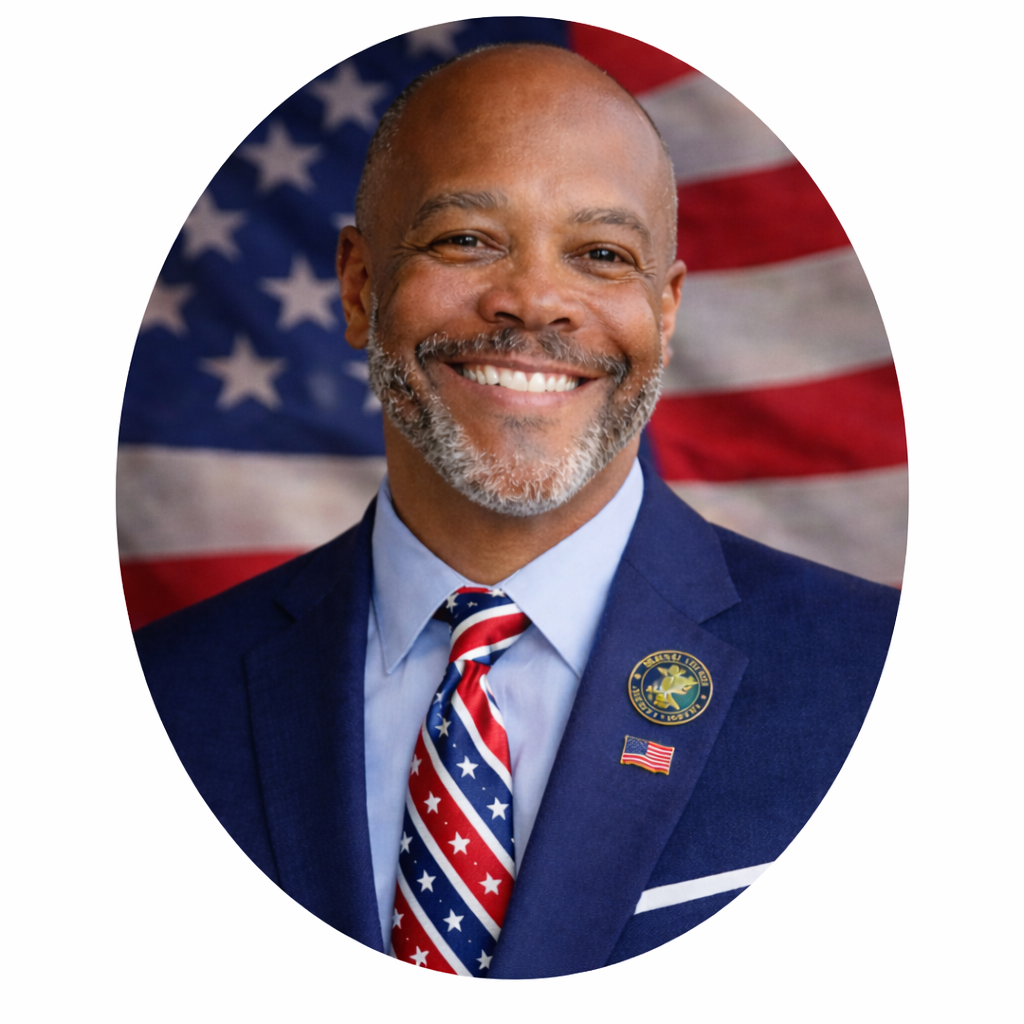
Willie Daniel
Willie Daniel is the Founder and Chief Executive Officer (CEO) of Global Vets Consulting (GVC) – National Veterans Disability Services, a veteran-led educational and medical evidence support organization dedicated to helping veterans better understand VA disability rating increases, DBQ medical evidence, secondary claims education, and C&P examination preparation.
He is a retired U.S. Army Medical Service Corps Officer with more than 27 years of honorable military service, a decorated Iraq combat veteran, and a retired federal official with the U.S. Department of Veterans Affairs. Throughout his military and federal career, Willie Daniel served in leadership, healthcare administration, operational, and veteran-support roles focused on improving services and support systems for servicemembers, veterans, and their families.
Drawing from decades of military leadership, healthcare administration, veteran advocacy, and federal government experience, Willie Daniel brings a practical, veteran-centered perspective to Global Vets Consulting’s educational articles, AI-powered veteran resources, video education initiatives, and outreach programs. His experience navigating military systems, medical documentation processes, and veteran-related administrative operations provides valuable insight into many of the challenges veterans face when seeking to better understand VA disability rating criteria, medical evidence, documentation strategies, and secondary condition education.
Through GVC’s “Veterans Helping Veterans” mission, his focus is on delivering clear, educational, and easy-to-understand information designed to empower veterans with knowledge, resources, and educational tools that may help them make more informed decisions regarding their individual VA disability journeys.
The information provided through GVC is intended for educational and informational purposes only and should not be considered legal or medical advice.
Disclaimer
Disclaimer: Global Vets Consulting, LLC (“GVC”) is a veteran-led educational and medical evidence support organization. GVC is not a law firm, is not a Veterans Service Organization (VSO), and is not affiliated with the U.S. Department of Veterans Affairs (VA) or any government agency.
Global Vets Consulting does not provide legal advice, medical advice, medical treatment, or healthcare services. GVC does not prepare, file, or submit VA disability claims on behalf of veterans. All information provided through this website, blog articles, videos, educational materials, AI tools, dashboards, templates, and communications is intended solely for general educational and informational purposes.
Veterans are encouraged to consult with accredited representatives, licensed attorneys, qualified medical providers, or Veterans Service Organizations regarding their specific legal, medical, or VA-related matters. VA disability decisions, ratings, and outcomes are determined solely by the U.S. Department of Veterans Affairs based on applicable laws, regulations, medical evidence, and individual circumstances. Past results do not guarantee future outcomes.