
The doctor who knows your medical history best is often the one the VA ignores, but you have the legal right to change that. Many veterans ask, can my primary care physician complete a dbq, and the answer is a resounding yes. We understand the frustration of building years of trust with your own provider, only to feel forced into a high-stakes C&P exam with a stranger. You deserve to have your medical evidence presented by someone who actually understands your daily struggles and health history.
In this 2026 guide, we’ll show you exactly how to get your primary care doctor to sign a DBQ and the specific regulations, like 38 CFR § 3.326, that make this evidence actionable and sufficient for the VA. We’ll also break down VHA Directive 1134(2) so you can show your VA physician they have the authority to help you. If your doctor refuses to sign, we’ll provide the clear steps you need to take to ensure your claim stays on track for the rating you’ve earned. 🇺🇸
Key Takeaways
- Confirm the legal standards regarding can my primary care physician complete a dbq and why any licensed provider, including NPs and PAs, is eligible to sign.
- Learn how to leverage VHA Directive 1134 when speaking with VA doctors who may be hesitant to complete disability paperwork.
- Understand the “actionable and sufficient” evidence requirements to ensure your private medical records meet strict VA rating standards.
- Identify specific technical requirements, such as goniometer measurements for musculoskeletal claims, that prevent your DBQ from being rejected.
- Discover proactive strategies to handle a doctor’s refusal and how to secure the medical evidence needed for a successful VA rating increase.
The Short Answer: Yes, Your Primary Care Physician Can Complete a DBQ
If you’re wondering, can my primary care physician complete a dbq, the answer is a definitive yes. The Department of Veterans Affairs allows any licensed medical professional, including MDs, DOs, Physician Assistants, and Nurse Practitioners, to fill out these forms. A Disability Benefits Questionnaire (DBQ) is a standardized form used to document the severity of service-connected disabilities. Because your primary care physician (PCP) often manages your chronic conditions over several years, they’re uniquely positioned to provide a comprehensive look at your health that a one-time examiner simply can’t match.
Submitting a private DBQ is a strategic move for your VA disability claim. Under 38 CFR § 3.326, the VBA is required to accept private medical evidence as long as it meets the “actionable and sufficient” standard. This often helps you avoid a mandatory Compensation and Pension (C&P) exam entirely. Many veterans choose to ask their treating clinicians to complete a DBQ to ensure the VA receives a fair and accurate representation of their symptoms from the start.
Why a Private DBQ is Often More Effective
The reality of the VA system is that C&P examiners are often rushed. They might only spend fifteen minutes reviewing a file they’ve never seen before. In contrast, your private doctor can offer detailed medical evidence based on dozens of appointments and years of treatment notes. This level of thoroughness is vital when you’re seeking a VA rating increase or establishing a new service connection. It’s helpful to understand the foundational context of these forms by learning what is a dbq before your next appointment.
Choosing a private provider also gives you a level of control that the standard VA process lacks. You have the right to review the completed document before it ever reaches a rating specialist’s desk. If a measurement is missing or a symptom is understated, you can discuss it with your doctor immediately. This transparency reduces the anxiety of waiting months for a C&P result that might not accurately reflect your daily reality.
VA Doctors vs. Private Doctors: Who Will Actually Sign?
When asking, can my primary care physician complete a dbq, you have to look at who signs their paycheck. While the law allows any licensed provider to fill out these forms, internal policies and personal comfort levels vary wildly between the VA healthcare system and the private sector. Understanding these differences helps you manage expectations before you walk into your next appointment with a stack of paperwork.
The VA explicitly states that veterans can submit medical evidence from your health care providers to support their claims. However, a legal right doesn’t always translate to a doctor’s cooperation. Many veterans find themselves caught in a loop where their VA doctor says they aren’t allowed to help, while their private doctor says they don’t know how. This is where Independent Medical Evidence Education becomes a vital tool in your claims process.
The VHA Directive 1134 Explained
VA primary care providers are governed by VHA Directive 1134. This policy actually encourages VA clinicians to assist patients with medical forms, but there’s a catch. Many VA doctors are instructed by their local leadership to avoid completing DBQs because of a perceived “conflict of interest” or simple time constraints. Most VA PCPs will offer to provide your treatment records instead of filling out the specific questionnaire. They’ll tell you that the C&P examiner is the one responsible for the DBQ, leaving you stuck with a stranger’s opinion.
Overcoming Private Doctor Hesitation
Private sector physicians don’t have the same policy restrictions, but they have their own hurdle: “jargon fear.” Your family doctor might be an expert in your health, but they aren’t necessarily an expert in VA administrative language. They often hesitate because the forms are 10 to 20 pages long and full of technical requirements. If you’re wondering, can my primary care physician complete a dbq without specialized training, the answer is yes, but they’ll likely need your help. Providing them with educational resources that bridge the gap between clinical findings and VA requirements can turn a “no” into a “yes.”
Ensuring Your PCP-Completed DBQ is Actionable and Sufficient
Getting your doctor to sign the form is only half the battle. The VA follows a strict standard where evidence must be “actionable and sufficient for rating purposes” before a rater can use it to assign a disability percentage. If you’re wondering, can my primary care physician complete a dbq that actually sticks, the outcome depends on the technical accuracy of their entries. The VA requires a signature from a licensed provider with an active NPI number on every questionnaire to verify the legitimacy of the medical evidence provided.
For musculoskeletal claims, the VA is particularly strict about range-of-motion measurements. Your PCP must use a goniometer to record these angles; estimates or visual guesses often result in a deferred claim or a mandatory C&P exam. Beyond the numbers, your doctor must provide a clear medical rationale that explains how your diagnosis leads to specific functional limitations in your daily life. We’ve seen many claims delayed because of simple clerical errors, so double-checking these technical details is a small step that saves months of waiting.
The Checklist for a Winning DBQ
Accuracy is the key to avoiding a denial. Ensure your doctor addresses these specific areas:
- Completed diagnostic sections with verified ICD codes for every condition.
- Detailed descriptions of functional loss in the “Remarks” sections.
- Evidence of how the condition impacts your ability to work or perform daily tasks.
Understanding how these details fit into the va disability claims process step by step will help you guide your doctor through the paperwork effectively.
When a Specialist is Required Instead of a PCP
While a PCP can handle many claims, certain conditions like TBI or complex Neurological Conditions might trigger a “competency” challenge from the VA. In these cases, the VA often prefers the opinion of a specialist, such as a neurologist. However, your PCP can still play a vital role through Secondary VA Claims Education by documenting how these primary conditions lead to other service-connected issues. If you don’t have a specialist yet, your PCP’s notes are the first step in building that medical trail.
Secure the evidence you need by starting with our Independent Medical Evidence Education today to ensure your paperwork is ready for a rater’s review.
What to Do if Your Primary Care Physician Refuses to Help
Hearing a “no” from your doctor can feel like a major setback, especially when you’ve built a relationship with them over several years. While the answer to can my primary care physician complete a dbq is legally yes, many providers refuse simply because of the administrative burden. These forms are often 10 to 20 pages long. A busy physician may feel they don’t have the hours required to ensure every check-box and medical rationale meets the VA’s exact standards. They’re often afraid that a small clerical error might negatively impact your benefits, leading them to avoid the paperwork altogether.
If you’ve already faced a rejection because your doctor wouldn’t sign, don’t lose hope. If your va claim denied for lack of evidence, it’s a signal that the documentation provided wasn’t sufficient for a rater to make a decision. This is a hurdle, not a dead end. You have clear appeal rights, and you can still gather the medical evidence needed to prove your case through independent resources.
The Global Vets Consulting Advantage
We specialize in streamlining the evidence-gathering process so you don’t have to navigate the bureaucracy alone. Our expertise in Disability Benefits Questionnaire (DBQ) Preparation ensures that your medical status is documented with the technical accuracy the VA demands. We provide the standardized forms and the educational resources necessary to help you present a complete picture of your service-connected conditions. If you need immediate guidance on how to move forward, our 24/7 National Client Services Hotline is always available to help you find the next step. 📞
Take Control of Your Claim Today
Waiting for a hesitant doctor to change their mind often leads to months of lost compensation. You deserve to have your can my primary care physician complete a dbq question answered with action rather than excuses. Whether you are filing for a new condition or seeking a dbq for va disability rating increase, professional education is the key to a successful outcome.
Global Vets Consulting stands as your reliable ally, dedicated to simplifying complex administrative processes for those who served. Stop letting paperwork stand between you and the benefits you’ve earned through your service. Get started with Global Vets Consulting today and take the first step toward a completed, VA-ready claim. 🌐

Take Command of Your Medical Evidence
Securing a fair disability rating depends on the quality of your medical documentation. You now understand the answer to can my primary care physician complete a dbq is yes, but success requires more than just a signature. Your evidence must be actionable and sufficient to meet the VA’s strict 2026 standards. Whether you’re working with a private doctor or navigating the policy hurdles of a VA facility, the technical accuracy of your forms will determine the outcome of your claim.
You don’t have to manage this complex administrative process alone. As a veteran-owned and operated consulting service, we specialize in DBQ medical documentation to ensure your symptoms are accurately reflected for a rater’s review. Our 24/7 AI Veteran Intake Specialist is available right now to help you begin the journey toward the rating you’ve earned. Take the first step toward a predictable path forward and stop leaving your benefits to chance.
Contact Global Vets Consulting for Professional DBQ Support
Your service is a matter of record; your medical evidence should be too. We are ready to stand as your reliable ally and steady guide through every step of this process. 🇺🇸
Frequently Asked Questions
Can a VA doctor fill out a DBQ for me?
Yes, VA physicians are authorized to assist with medical forms under VHA Directive 1134. However, many clinicians decline these requests due to high patient volumes or a perceived conflict of interest within the VA system. They’ll usually offer to provide your treatment records instead of completing the specific questionnaire. If your VA doctor refuses, you’ll need to look toward a private provider or professional medical evidence education to move your claim forward.
Will the VA accept a DBQ from a private primary care physician?
The VA is legally required to accept medical evidence from private providers. Since March 2021, the answer to can my primary care physician complete a dbq has been a definitive yes. As long as the evidence is “actionable and sufficient” according to 38 CFR § 3.326, a rater can use it to determine your disability percentage. This private evidence is often more detailed because your PCP knows your history better than a one-time examiner.
What happens if my doctor fills out the DBQ incorrectly?
If a form is filled out incorrectly, the VA will label it “insufficient for rating purposes.” This usually happens when a doctor misses required measurements, like goniometer readings for musculoskeletal joints, or fails to provide a clear medical rationale for their findings. When this occurs, the VA will almost always schedule a mandatory C&P exam to fill in the gaps. Reviewing your forms for technical accuracy before submission is the best way to avoid these delays.
Can I submit a DBQ after my C&P exam has already been scheduled?
You can submit a private DBQ even after a C&P exam is scheduled. The VA must consider all evidence uploaded to your file before a final decision is reached. Submitting your own medical documentation provides a vital counter-opinion to the C&P examiner’s findings. However, you should still attend your scheduled C&P exam to avoid having your claim denied for a “failure to prosecute,” which can stop your progress and lead to an immediate denial.
Does a private DBQ guarantee a higher VA rating?
No medical document can guarantee a specific rating increase. However, a properly completed questionnaire ensures that the rater sees a full picture of your functional limitations and daily struggles. When asking, can my primary care physician complete a dbq to help my case, remember that the goal is technical accuracy. High-quality medical evidence reduces the chance of a rater underestimating your symptoms, which often leads to the higher rating you actually deserve based on the law.
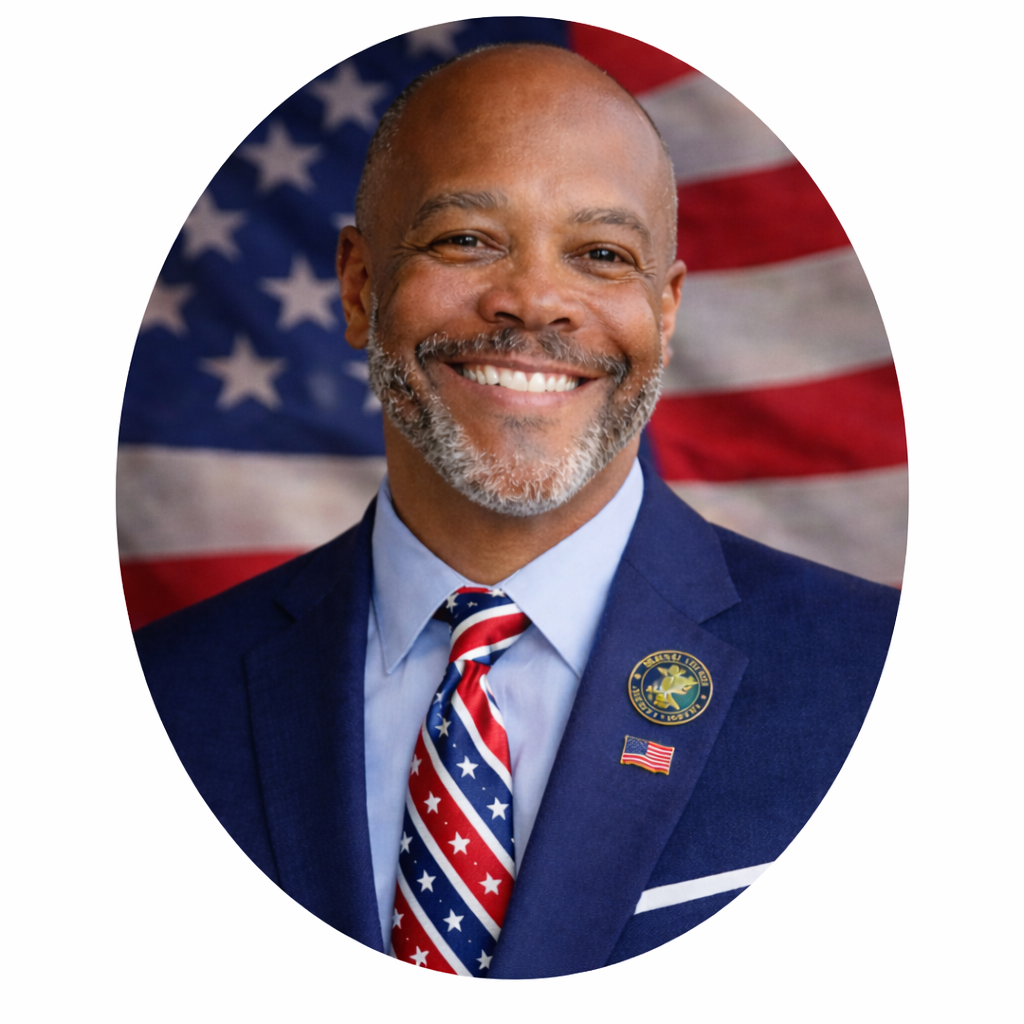
Article by
Willie Daniel
Willie Daniel is the Founder and Chief Executive Officer (CEO) of Global Vets Consulting (GVC) – National Veterans Disability Services, a veteran-led educational and medical evidence support organization dedicated to helping veterans better understand VA disability rating increases, DBQ medical evidence, secondary claims education, and C&P examination preparation.
He is a retired U.S. Army Medical Service Corps Officer with more than 27 years of honorable military service, a decorated Iraq combat veteran, and a retired federal official with the U.S. Department of Veterans Affairs. Throughout his military and federal career, Willie Daniel served in leadership, healthcare administration, operational, and veteran-support roles focused on improving services and support systems for servicemembers, veterans, and their families.
Drawing from decades of military leadership, healthcare administration, veteran advocacy, and federal government experience, Willie Daniel brings a practical, veteran-centered perspective to Global Vets Consulting’s educational articles, AI-powered veteran resources, video education initiatives, and outreach programs. His experience navigating military systems, medical documentation processes, and veteran-related administrative operations provides valuable insight into many of the challenges veterans face when seeking to better understand VA disability rating criteria, medical evidence, documentation strategies, and secondary condition education.
Through GVC’s “Veterans Helping Veterans” mission, his focus is on delivering clear, educational, and easy-to-understand information designed to empower veterans with knowledge, resources, and educational tools that may help them make more informed decisions regarding their individual VA disability journeys.
The information provided through GVC is intended for educational and informational purposes only and should not be considered legal or medical advice.
Disclaimer
Disclaimer: Global Vets Consulting, LLC (“GVC”) is a veteran-led educational and medical evidence support organization. GVC is not a law firm, is not a Veterans Service Organization (VSO), and is not affiliated with the U.S. Department of Veterans Affairs (VA) or any government agency.
Global Vets Consulting does not provide legal advice, medical advice, medical treatment, or healthcare services. GVC does not prepare, file, or submit VA disability claims on behalf of veterans. All information provided through this website, blog articles, videos, educational materials, AI tools, dashboards, templates, and communications is intended solely for general educational and informational purposes.
Veterans are encouraged to consult with accredited representatives, licensed attorneys, qualified medical providers, or Veterans Service Organizations regarding their specific legal, medical, or VA-related matters. VA disability decisions, ratings, and outcomes are determined solely by the U.S. Department of Veterans Affairs based on applicable laws, regulations, medical evidence, and individual circumstances. Past results do not guarantee future outcomes.