

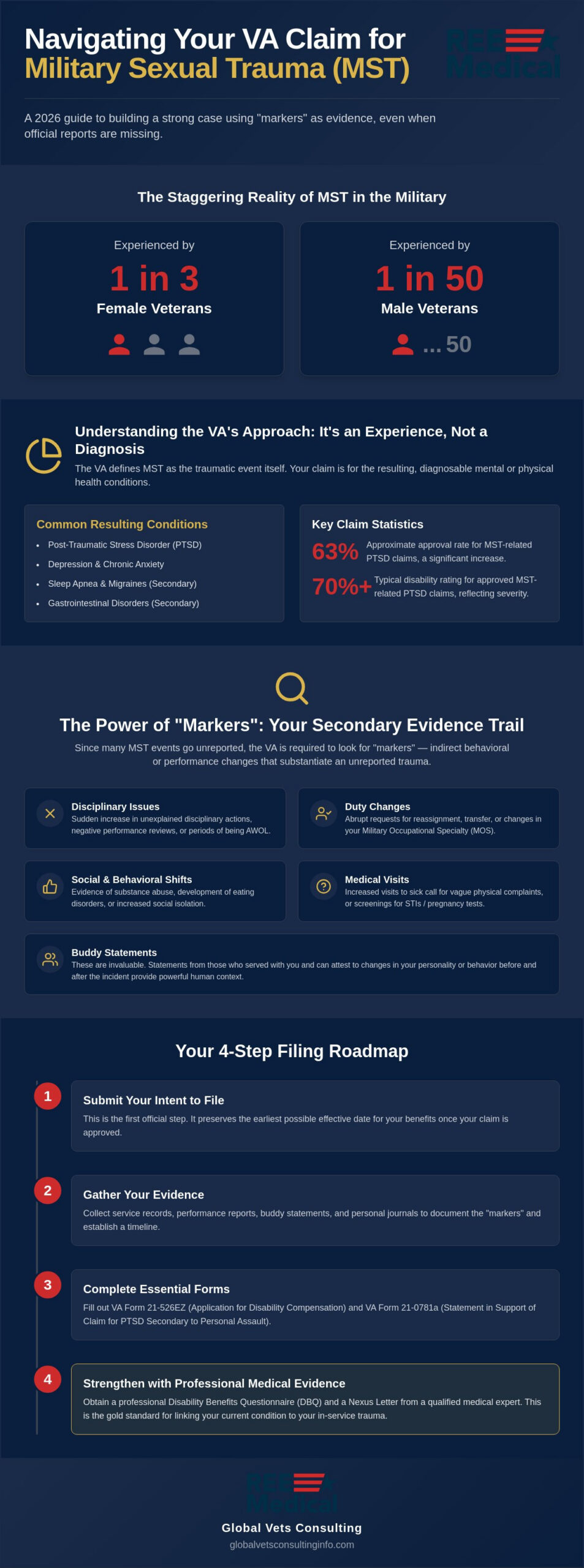
Did you know the VA estimates that 1 in 3 female veterans and 1 in 50 male veterans experienced sexual trauma during their service? Despite these staggering numbers, many survivors hesitate to file a va claim for military sexual trauma (mst) because they lack official police reports or medical records from the time of the incident. It’s a heavy burden to carry. The fear of being re-traumatized by a bureaucratic system is a valid concern that often prevents veterans from seeking the disability compensation they’ve earned through their sacrifice. 🇺🇸
We believe you shouldn’t have to navigate this complex path alone. This guide provides a clear roadmap for filing your claim in 2026, specifically focusing on how to use “markers” as powerful secondary evidence when official records are missing. You’ll learn which forms are required for mental health ratings and how to gather the non-traditional proof needed to secure a fair disability rating. We’ll walk through every step of the process to ensure you feel empowered and informed as you move toward the benefits you deserve.
Key Takeaways
- Understand that the VA recognizes MST as a service-connected experience rather than a specific medical diagnosis, allowing for a broader approach to your claim narrative.
- Learn how to identify and document “Markers”—such as sudden changes in performance or duty assignments—to provide evidence when official military records are missing.
- Follow a clear, step-by-step roadmap for submitting your Intent to File and completing the essential forms for a va claim for military sexual trauma (mst).
- Discover why a professional Disability Benefits Questionnaire (DBQ) is the gold standard for documenting mental health conditions and providing thorough medical evidence.
- Gain the confidence and technical knowledge needed to navigate the 2026 VA system and secure the disability rating you have earned through your service.
Understanding the VA Claim for Military Sexual Trauma (MST) 🇺🇸
The first step in securing your benefits is understanding how the VA views your experience. It’s a common misconception that Military Sexual Trauma is a medical diagnosis. In reality, the VA defines MST as an experience or event that occurred during service. It is the catalyst for conditions like PTSD, depression, or chronic anxiety. When you submit a va claim for military sexual trauma (mst), you aren’t just filing for an incident; you’re filing for the resulting disability that impacts your daily life.
In 2026, your personal narrative carries significant weight. The VA acknowledges that many survivors didn’t report incidents at the time because of fear or professional repercussions. This creates a different “burden of proof” than a standard physical injury. While a back injury requires a specific line in a medical record, the VA recognizes that MST evidence is often found in behavioral changes rather than official reports. Your story provides the vital context that medical records alone might miss.
Common Conditions Linked to MST
- PTSD: This is the most frequent rating path. Recent data shows that the approval rate for MST-related PTSD claims has reached approximately 63%, a major increase from previous decades.
- Secondary Conditions: MST often leads to secondary issues like sleep apnea, migraines, or gastrointestinal disorders. These are often rated as secondary to a primary mental health condition.
- Mental Health Ratings: Most survivors who receive service connection for PTSD are rated at 70% or higher, reflecting the severity of the trauma’s impact.
Your Right to a Fair Evaluation
You have the right to a thorough and respectful review of your case. The VA has a legal “duty to assist” you in gathering evidence, especially when official records are sparse. Current 2026 regulations favor veterans who can demonstrate behavioral “markers” after the event. This means your story, supported by lay evidence and secondary medical opinions, is a powerful tool in securing a fair va claim for military sexual trauma (mst) outcome. We focus on providing the technical education you need to present this evidence clearly and accurately.
Gathering Evidence: Identifying “Markers” When Records Are Missing
Winning a va claim for military sexual trauma (mst) often requires looking beyond traditional military personnel files. The VA processed a record 57,000 MST-related claims in Fiscal Year 2024, showing that more veterans are successfully using non-traditional evidence to prove their cases. Since many survivors don’t report the incident immediately, the VA is required to look for “markers” in your records. Markers are indirect behavioral changes that substantiate an unreported trauma.
These markers act as a trail of breadcrumbs for the rater. Even if you didn’t file a police report, your service record might show a sudden drop in performance evaluations or a request for a transfer shortly after the event. You can also access VA healthcare for MST to begin building a contemporary medical timeline. This documentation helps establish the severity of your symptoms and provides a clear history of treatment after your service ended.
Examples of Behavioral Markers
The VA looks for specific patterns that indicate a traumatic shift in a veteran’s life. Markers are indirect behavioral changes that substantiate an unreported trauma. Common examples include:
- Unexplained disciplinary issues or sudden bouts of AWOL.
- Requests for reassignment or abrupt changes in your Military Occupational Specialty (MOS).
- Increased visits to sick call for vague physical complaints or STI screenings.
- Evidence of substance abuse, eating disorders, or unexpected pregnancy tests.
Buddy statements from those who knew you before and after the incident are invaluable here. They provide a human perspective on how your personality or work ethic changed during your time in uniform. If you are unsure where to start, you can find educational resources for disability claims to help organize your records.
The Role of the Nexus Letter
Establishing a service connection is often the most difficult part of the process. A nexus letter provides the formal medical link between your current diagnosis and the in-service stressors you experienced. Using a professional nexus letter and dbq service ensures that your medical evidence meets the VA’s strict standards. This documentation proves that your condition is “at least as likely as not” caused by your service, providing the technical weight your claim needs for approval.
How to File Your MST Claim: A Step-by-Step Guide
Starting your va claim for military sexual trauma (mst) requires a methodical approach to ensure you don’t miss out on retroactive pay or critical evidence. The process is administrative, but it represents your path to justice and support. By following these specific steps, you can move through the system with more confidence and clarity. 🇺🇸
- Step 1: Submit an Intent to File. This is your first move. It preserves your effective date, giving you up to one year to gather evidence while ensuring your eventual backpay starts from the day you notified the VA.
- Step 2: Complete VA Form 21-0781a. This form is the “Statement in Support of Claim for PTSD Secondary to MST.” It’s the primary document where you’ll describe the stressors and markers that link your condition to your service.
- Step 3: Organize Your Evidence Packet. Gather your DBQs, buddy statements, and medical records. A structured packet helps the rater see the full picture of your disability without searching through hundreds of pages of unrelated files.
- Step 4: Track Your Claim. You can monitor your status through the VA disability claims process step by step to understand exactly where your file sits in the queue.
Navigating the C&P Exam for MST
The Compensation and Pension (C&P) exam is often the most stressful part of the journey. In 2026, you have the right to request a male or female examiner to ensure your comfort during the interview. Don’t go in unprepared. Utilizing C&P examination preparation education can help you stay focused on communicating your symptoms and their functional impact on your daily life.
Avoiding Common Filing Mistakes
Denials often stem from a perceived lack of evidence or submitting incomplete forms. The VA is looking for a clear “nexus” or link between your service and your current diagnosis. If you submit a va claim for military sexual trauma (mst) without professional medical evidence, you risk a long appeal process. If you’re feeling overwhelmed, you can access expert guidance on VA rating increases to ensure your evidence packet is as strong as possible before submission.
Strengthening Your Claim with Professional DBQs
A Disability Benefits Questionnaire (DBQ) is the gold standard for medical evidence in the VA system. It’s a standardized document that allows medical professionals to record your symptoms in a format that aligns directly with the VA’s rating criteria. When filing a va claim for military sexual trauma (mst), a private dbq for mental health conditions offers a level of detail that a standard Compensation and Pension (C&P) exam might miss. While a C&P exam can be brief and clinical, a thorough DBQ ensures that every aspect of your condition is documented before your file reaches a rater’s desk.
Global Vets Consulting simplifies the evidence-gathering process by focusing on technical accuracy. We educate survivors on how to present their medical history so that it reflects the true severity of their symptoms. Our goal is to ensure that your va claim for military sexual trauma (mst) is supported by robust, independent medical evidence that clearly demonstrates your level of occupational and social impairment.
Why Precision Matters in MST Documentation
The VA determines your disability percentage based on the General Rating Formula for Mental Disorders. This formula looks for specific symptoms and functional limitations. If your medical records are vague, you could face a VA claim denied for lack of evidence or a rating that doesn’t match your lived experience. Using a precise DBQ ensures that the rater has the clinical data needed to assign a fair and accurate rating from the start. 🇺🇸
24/7 Support for Your Mission
Our “Veterans Helping Veterans” approach means we’re here to support you at every turn. We integrate modern technology to make our resources accessible whenever you need them. You can reach out to our 24/7 AI Veteran Intake Specialist for immediate guidance on educational resources or to learn more about our consulting services. We’re dedicated to helping you secure the benefits you earned through your service and sacrifice. 🌎
Connect with Global Vets Consulting:
- 📞 24/7 National Client Services Hotline
- 🌐 Worldwide Support at GlobalVetsConsultingInfo.com
- 🇺🇸 Mission-Driven Rating Education
Securing Your Future and the Benefits You Earned 🇺🇸
Filing a va claim for military sexual trauma (mst) is a courageous and significant step toward both personal and financial recovery. As we discussed, your path to a fair rating relies on more than just official military reports. By identifying behavioral markers and utilizing professional DBQ documentation, you can build a robust case that accurately reflects the severity of your symptoms. This methodical approach ensures that the VA sees the full scope of your service-connected disability.
Global Vets Consulting is a veteran-owned and operated resource designed to guide you through these complex administrative hurdles with steady confidence. We offer specialized expertise in medical evidence education and maintain a 24/7 National Client Services Hotline to ensure you never have to navigate this system alone. Our focus is on providing the technical precision your claim requires to succeed in 2026.
Contact Global Vets Consulting 24/7 for MST Claim Support
You’ve already done the hard work of serving your country. It’s our duty to help you secure the benefits you earned through that sacrifice. You deserve a clear path forward and a partner who respects your history.
Frequently Asked Questions
Can I file a VA claim for MST if I never reported it while in the military?
Yes, you can absolutely file a va claim for military sexual trauma (mst) even if no official report was made during your service. The VA recognizes that many survivors face significant barriers to reporting, such as fear of retaliation or professional repercussions. Instead of requiring a military police report, the VA looks for “markers” or behavioral changes in your personnel and medical records that point to the trauma occurring during your time in uniform.
What are behavioral markers for an MST claim?
Behavioral markers are indirect pieces of evidence that show a clear shift in your conduct or performance following a traumatic event. These include requests for a transfer, sudden declines in duty performance, unexplained disciplinary issues, or increased visits to sick call for vague physical symptoms. The VA is legally required to consider these markers as evidence to support your claim when direct documentation like an incident report is missing.
How long does it take for the VA to process an MST claim in 2026?
As of July 2026, initial MST claims take an average of 120 to 180 days to reach a decision. This timeline can vary based on the complexity of your evidence and the current backlog at the VA. Submitting a fully developed claim with professional DBQs and clear behavioral markers can help streamline the process and reduce the need for the VA to send additional evidence requests, which often causes delays.
Will I have to recount my trauma in detail during the C&P exam?
You don’t have to recount the traumatic event in graphic detail during your Compensation and Pension exam. The examiner’s primary focus is on your current symptoms and how they impact your daily life and ability to work. It’s helpful to focus on the functional limitations you experience today, such as social isolation or difficulty concentrating, rather than re-living the trauma itself. You have the right to request a male or female examiner for your comfort.
Can I get a 100% disability rating for MST-related PTSD?
Yes, it’s possible to receive a 100% disability rating for PTSD resulting from MST if you demonstrate total occupational and social impairment. Data from 2026 shows that about 67% of veterans who receive service connection for MST-related PTSD are rated at 70% or higher. Securing a 100% rating requires medical evidence showing that your symptoms are so severe they prevent you from maintaining employment or managing daily personal affairs independently.
Article by
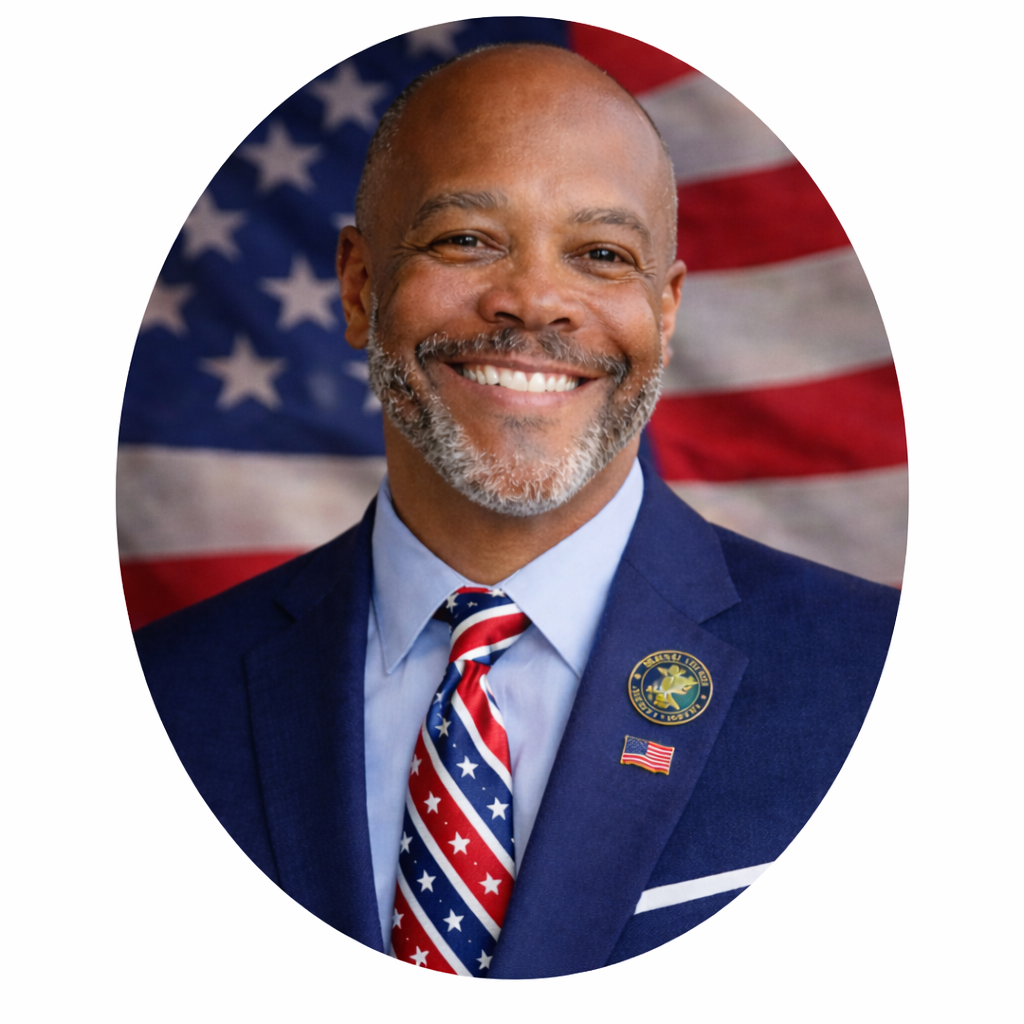
Willie Daniel
Willie Daniel is the Founder and Chief Executive Officer (CEO) of Global Vets Consulting (GVC) – National Veterans Disability Services, a veteran-led educational and medical evidence support organization dedicated to helping veterans better understand VA disability rating increases, DBQ medical evidence, secondary claims education, and C&P examination preparation.
He is a retired U.S. Army Medical Service Corps Officer with more than 27 years of honorable military service, a decorated Iraq combat veteran, and a retired federal official with the U.S. Department of Veterans Affairs. Throughout his military and federal career, Willie Daniel served in leadership, healthcare administration, operational, and veteran-support roles focused on improving services and support systems for servicemembers, veterans, and their families.
Drawing from decades of military leadership, healthcare administration, veteran advocacy, and federal government experience, Willie Daniel brings a practical, veteran-centered perspective to Global Vets Consulting’s educational articles, AI-powered veteran resources, video education initiatives, and outreach programs. His experience navigating military systems, medical documentation processes, and veteran-related administrative operations provides valuable insight into many of the challenges veterans face when seeking to better understand VA disability rating criteria, medical evidence, documentation strategies, and secondary condition education.
Through GVC’s “Veterans Helping Veterans” mission, his focus is on delivering clear, educational, and easy-to-understand information designed to empower veterans with knowledge, resources, and educational tools that may help them make more informed decisions regarding their individual VA disability journeys.
The information provided through GVC is intended for educational and informational purposes only and should not be considered legal or medical advice.
Disclaimer
Disclaimer: Global Vets Consulting, LLC (“GVC”) is a veteran-led educational and medical evidence support organization. GVC is not a law firm, is not a Veterans Service Organization (VSO), and is not affiliated with the U.S. Department of Veterans Affairs (VA) or any government agency.
Global Vets Consulting does not provide legal advice, medical advice, medical treatment, or healthcare services. GVC does not prepare, file, or submit VA disability claims on behalf of veterans. All information provided through this website, blog articles, videos, educational materials, AI tools, dashboards, templates, and communications is intended solely for general educational and informational purposes.
Veterans are encouraged to consult with accredited representatives, licensed attorneys, qualified medical providers, or Veterans Service Organizations regarding their specific legal, medical, or VA-related matters. VA disability decisions, ratings, and outcomes are determined solely by the U.S. Department of Veterans Affairs based on applicable laws, regulations, medical evidence, and individual circumstances. Past results do not guarantee future outcomes.

