

What if the biggest hurdle to getting your rating isn’t the VA’s complex system, but the hesitation caused by the fear of seeing a denial letter? It’s completely normal to feel a heavy fear of being denied va benefits when you’re counting on that compensation for your family’s financial stability. You’ve served your country, and the thought of being lost in a sea of jargon or misunderstood during a C&P exam is enough to make anyone stall their application. We understand that this process feels like a high-stakes battle where you’re often left waiting for months just to receive an answer.
You can move from a place of uncertainty to a position of strength. This guide will show you how to transform claim anxiety into a winning strategy by mastering the specific evidence requirements the VA demands in 2026. With the VA processing over two million disability claims this year alone, standing out requires meticulous documentation and a proactive approach. We’ll provide a clear roadmap to a successful claim, explaining how to leverage private medical evidence and Disability Benefits Questionnaires (DBQs) to build a solid nexus. You’ll gain the peace of mind needed to navigate the process and secure the 2026 compensation rates you’ve earned.
Key Takeaways
- Understand why the fear of being denied va benefits is a common hurdle and how to address the three primary reasons for claim rejection.
- Master the three essential pillars of a successful claim—diagnosis, in-service event, and medical nexus—to ensure your evidence package is bulletproof.
- Learn how to identify “the anchor” in your Service Treatment Records and supplement it with private medical evidence for a stronger case.
- Discover the specific appeal lanes available in 2026, including Higher-Level Reviews and Supplemental Claims, to protect your effective date.
- Transition from claim anxiety to a proactive strategy by using standardized documentation like Disability Benefits Questionnaires (DBQs) to build claim confidence.
Why the Fear of Being Denied VA Benefits is Valid in 2026 🇺🇸
Dealing with the government often feels like an uphill battle. For many of our brothers and sisters, the fear of being denied va benefits isn’t just about the monthly compensation; it’s about feeling heard and respected after years of service. This anxiety is fueled by a “Veteran vs. Bureaucracy” dynamic where the rules feel hidden or constantly changing. You aren’t alone in this skepticism. It’s difficult to trust a system that requires you to prove the physical and mental toll of your service through stacks of paperwork.
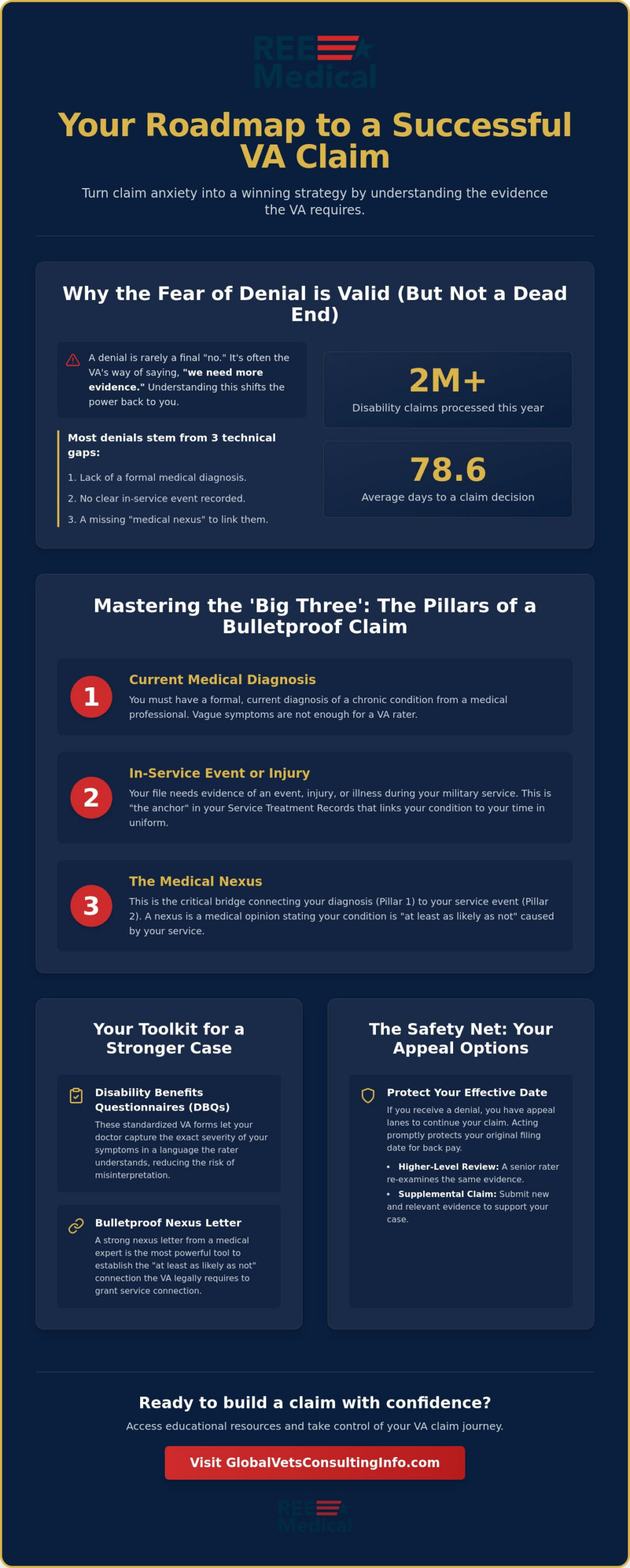
Most denials aren’t a reflection of your service or the reality of your injuries. They typically boil down to three technical gaps in your file. First, you might lack a formal current medical diagnosis. Second, there might be no clear in-service event or injury recorded. Third, the “medical nexus”—the critical link between your military service and your current condition—might be missing. Understanding the VA disability claims process step by step is the first step in closing these gaps and taking control of your outcome.
The Veterans Benefits Administration (VBA) handles a massive volume of paperwork every day. Because of this high volume, a denial letter is rarely a final “no.” In many cases, it’s actually the VA saying, “we need more evidence.” It’s a request for more detail or better documentation, not a door closing on your future. We see denials as a hurdle, not a wall.
The Reality of the VA Claims Backlog
As of June 2026, the VA has processed a record-breaking two million claims. While the backlog has been reduced significantly, the average wait time for a decision still sits at 78.6 days. These administrative delays create a high-pressure environment that naturally increases veteran stress. With a reported accuracy rate of over 94%, raters are looking for very specific, high-quality medical evidence. If your claim is returned as “denied,” it usually means the rater found your file to be “insufficiently documented” rather than invalid. Meticulous preparation is the only way to cut through the noise and get the rating you’ve earned.
Mastering the ‘Big Three’ to Eliminate Claim Anxiety
The weight of uncertainty can make the filing process feel overwhelming. However, you can dismantle the fear of being denied va benefits by understanding exactly what a rater needs to see on their desk. To grant service connection, the VA requires three specific pillars, often called the “Big Three.” If your file is missing even one of these components, the system is designed to issue an automatic denial. This isn’t personal; it’s a procedural requirement that you can meet with the right preparation.
These three pillars include a current medical diagnosis for a chronic condition, evidence of an in-service event or injury, and a medical nexus that links the two. In 2026, the VA has shifted toward higher standards for “Competent and Credible” evidence. This means your documentation must be precise and professionally prepared to meet the high accuracy goals set by the administration. If you feel unsure about your current file, you can explore our educational resources to ensure your package is complete before submission.
The Role of Disability Benefits Questionnaires (DBQs)
A major source of confusion for many veterans is what is a DBQ and how it functions during a review. A DBQ is a standardized form that captures the exact severity level a VA rater needs to assign a percentage. While standard doctor notes are often vague or difficult to read, a DBQ uses structured language that mirrors the VA’s rating schedule. This clarity reduces the risk of a rater overlooking a key symptom or misinterpreting the impact of your condition on your daily life.
Establishing a Bulletproof Medical Nexus
The nexus is the essential bridge that connects your current health to your military history. Without it, the VA cannot legally grant service connection, even if your diagnosis is severe. A strong nexus letter is a professional medical opinion stating that your condition is “at least as likely as not” caused or aggravated by your military service. While the official VA appeals process is available if this link is initially rejected, getting it right the first time is the fastest way to secure your rating.
Proactive Steps to Build a Winning VA Claim Package
Taking action is the most effective way to silence the fear of being denied va benefits. Instead of waiting for the VA to find the evidence for you, we recommend taking a proactive stance by building a comprehensive claim package before you hit submit. This starts with a meticulous review of your Service Treatment Records (STRs) to identify “the anchor.” This anchor is the specific entry or series of events that proves your condition began during your time in uniform. Without this piece of the puzzle, the VA often claims a condition isn’t service-connected.
You shouldn’t rely solely on VA medical records. Gathering private medical evidence is a powerful way to supplement what the government might have missed or failed to document. By bringing in outside opinions, you provide a more complete picture of your health. Additionally, preparing for your Compensation and Pension (C&P) examination is vital. Review your own documentation before the appointment to ensure your testimony remains consistent with your written evidence. If you encounter roadblocks, understanding your VA decision review options can provide a safety net for your strategy.
Reviewing Your Medical History
The VA often looks for gaps in treatment to justify a denial. When reviewing your history, focus on the three critical aspects of symptoms: frequency, severity, and duration.
- Frequency: Document exactly how often your symptoms occur.
- Severity: Describe how much they interfere with your ability to work or perform daily tasks.
- Duration: Clarify how long you’ve been suffering from the condition since your service ended.
Identifying these gaps now allows you to address them with current medical evidence before a rater sees your file.
Leveraging Professional DBQ Assistance
Global Vets Consulting specializes in streamlining the evidence gathering process. We help veterans navigate the complexities of Disability Benefits Questionnaires (DBQs) to ensure every medical checkbox is accurately marked according to 2026 standards. If you feel overwhelmed, our 24/7 National Client Services Hotline is available for immediate support 📞. Don’t leave your future to chance; contact us today for expert claim education and build the confidence you need to succeed.
The Safety Net: What to Do if You Receive a Denial 🌐
Receiving a denial letter can feel like a heavy blow, but it’s important to remember that the process doesn’t stop with a single decision. Your fear of being denied va benefits shouldn’t prevent you from staying in the fight. In 2026, the VA provides three distinct appeal lanes, ensuring that you have multiple opportunities to correct a rater’s oversight or provide missing information. Persistence is often the deciding factor between a closed file and a successful rating.
Many veterans find that their VA claim denied for lack of evidence is a common, fixable hurdle. This specific type of denial usually means you have a valid condition, but the rater simply didn’t see the “Big Three” pillars we discussed earlier. A Supplemental Claim is often the best way to address this, as it allows you to introduce new and relevant medical evidence, such as a specialized DBQ or a stronger nexus letter, to fill those gaps.
Higher-Level Review (HLR) vs. Supplemental Claims
Choosing the right lane depends on what your file needs. If you believe your current evidence is sufficient and the rater simply made a mistake, a Higher-Level Review (HLR) allows a senior rater to look at the existing file without adding new documents. This process currently takes about 4 to 7 months. However, if you need to add a new DBQ or medical opinion to strengthen your case, the Supplemental Claim lane is the correct path, typically averaging 4 to 6 months for a decision.
Turning Denial into a Roadmap
The most valuable part of a rejection is the “Reasons for Decision” section of your letter. This section identifies exactly what evidence is missing, whether it’s a lack of a current diagnosis or a weak link to your service. Your VA decision letter is actually a checklist for your next successful submission. By methodically addressing each point the VA raised, you can transform a “no” into a roadmap for your eventual approval. Stay focused on the mission; the 2026 compensation rates are earned benefits that belong to you. 🇺🇸
Take Command of Your Future Rating
You have the power to replace the fear of being denied va benefits with a structured, evidence-based plan. By mastering the “Big Three” pillars of diagnosis, in-service event, and medical nexus, you ensure your file meets the VA’s 2026 standards for credible evidence. It’s important to remember that a standardized DBQ is your best tool for translating your symptoms into the language a rater understands. Even if you encounter a hurdle, your decision letter provides the exact roadmap needed to refine your strategy and stay in the fight for your earned compensation.
Global Vets Consulting is a veteran-owned and operated team dedicated to providing the education and resources you need to succeed. We specialize in detailed DBQ preparation to help you build a bulletproof evidence package. Our 24/7 AI Veteran Intake Specialist is ready to assist you at any time, ensuring you never have to navigate this complex system alone. Get the medical evidence you need to secure your benefits at Global Vets Consulting. You’ve served your country with honor. Now it’s time to secure the peace of mind and financial stability you deserve. 🇺🇸
Frequently Asked Questions
Is it common for the VA to deny claims on the first attempt?
Yes, it is common for the VA to deny claims on the first attempt, but this often stems from missing documentation rather than an invalid condition. Many veterans face an initial rejection because their file lacks one of the “Big Three” pillars. This initial setback is a primary driver for the fear of being denied va benefits, yet it should be viewed as a starting point for gathering more specific evidence.
What is the #1 reason VA disability claims are denied?
The most frequent reason for denial is the lack of a clear service connection or medical nexus. Raters look for a specific link that proves your current diagnosis was caused or aggravated by your time in service. Without a professional medical opinion stating your condition is “at least as likely as not” related to military duty, the claim will likely be denied regardless of the severity of your symptoms.
Can I submit a private DBQ after my claim has been denied?
You can absolutely submit a private DBQ after a denial by choosing the Supplemental Claim appeal lane. This lane allows you to introduce “new and relevant” evidence that the VA didn’t have during the first review. Providing a detailed, private Disability Benefits Questionnaire can help clarify the severity of your symptoms and address the specific reasons for the original denial.
How long do I have to appeal a VA claim denial in 2026?
In 2026, you have exactly one year from the date on your VA decision letter to file an appeal. Missing this deadline can result in the loss of your effective date and potential back pay. Because the fear of being denied va benefits can lead to procrastination, it’s vital to act quickly to preserve your rights and your place in the processing queue.
Does the VA have to accept evidence from a private doctor?
The VA is legally required to consider medical evidence from private doctors as long as it is competent and credible. While the VA might schedule a C&P exam to verify findings, your private medical records and DBQs carry significant weight. Ensuring your private evidence uses the VA’s own standardized language is the most effective way to make sure it’s integrated into your final rating decision.
Article by
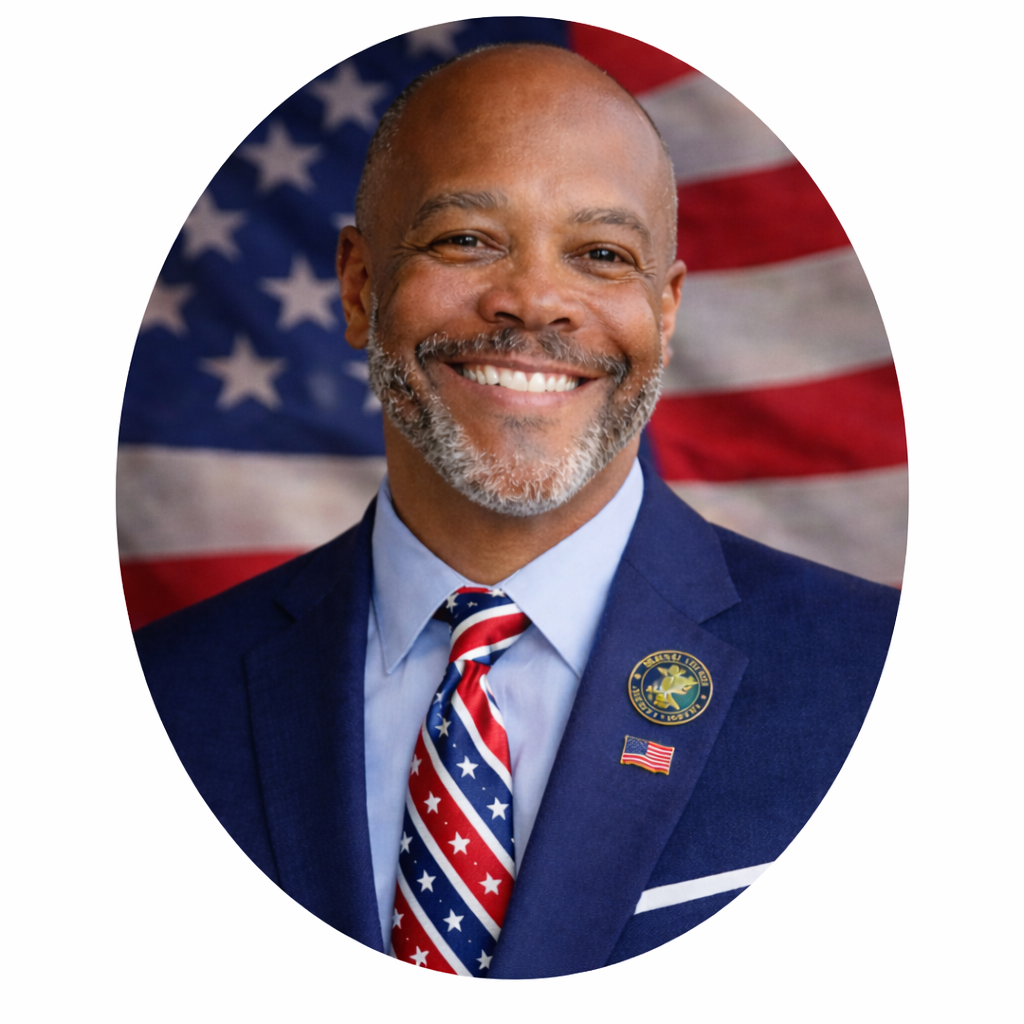
Willie Daniel
Willie Daniel is the Founder and Chief Executive Officer (CEO) of Global Vets Consulting (GVC) – National Veterans Disability Services, a veteran-led educational and medical evidence support organization dedicated to helping veterans better understand VA disability rating increases, DBQ medical evidence, secondary claims education, and C&P examination preparation.
He is a retired U.S. Army Medical Service Corps Officer with more than 27 years of honorable military service, a decorated Iraq combat veteran, and a retired federal official with the U.S. Department of Veterans Affairs. Throughout his military and federal career, Willie Daniel served in leadership, healthcare administration, operational, and veteran-support roles focused on improving services and support systems for servicemembers, veterans, and their families.
Drawing from decades of military leadership, healthcare administration, veteran advocacy, and federal government experience, Willie Daniel brings a practical, veteran-centered perspective to Global Vets Consulting’s educational articles, AI-powered veteran resources, video education initiatives, and outreach programs. His experience navigating military systems, medical documentation processes, and veteran-related administrative operations provides valuable insight into many of the challenges veterans face when seeking to better understand VA disability rating criteria, medical evidence, documentation strategies, and secondary condition education.
Through GVC’s “Veterans Helping Veterans” mission, his focus is on delivering clear, educational, and easy-to-understand information designed to empower veterans with knowledge, resources, and educational tools that may help them make more informed decisions regarding their individual VA disability journeys.
The information provided through GVC is intended for educational and informational purposes only and should not be considered legal or medical advice.
Disclaimer
Disclaimer: Global Vets Consulting, LLC (“GVC”) is a veteran-led educational and medical evidence support organization. GVC is not a law firm, is not a Veterans Service Organization (VSO), and is not affiliated with the U.S. Department of Veterans Affairs (VA) or any government agency.
Global Vets Consulting does not provide legal advice, medical advice, medical treatment, or healthcare services. GVC does not prepare, file, or submit VA disability claims on behalf of veterans. All information provided through this website, blog articles, videos, educational materials, AI tools, dashboards, templates, and communications is intended solely for general educational and informational purposes.
Veterans are encouraged to consult with accredited representatives, licensed attorneys, qualified medical providers, or Veterans Service Organizations regarding their specific legal, medical, or VA-related matters. VA disability decisions, ratings, and outcomes are determined solely by the U.S. Department of Veterans Affairs based on applicable laws, regulations, medical evidence, and individual circumstances. Past results do not guarantee future outcomes.

