
Understanding Occupational Impairment for PTSD VA Ratings
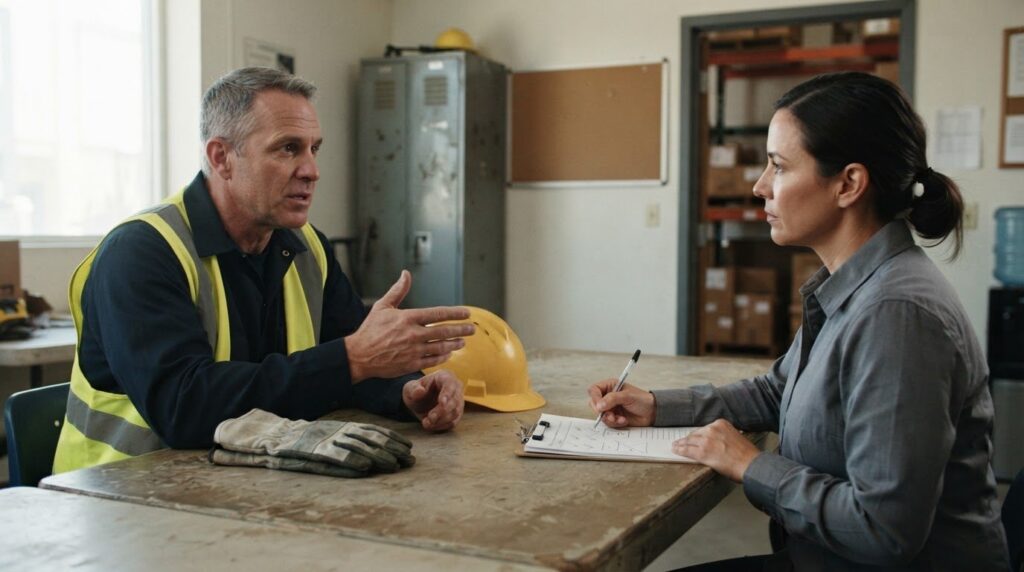
What occupational impairment means for PTSD is how symptoms affect a veteran’s ability to function at work and in social life. The U.S. Department of…
VA Ratings for Headaches Secondary to PTSD Explained

An estimated 32% of veterans living with PTSD also suffer from debilitating headaches that can disrupt their daily lives and ability to work. You…
Sleep Apnea and PTSD: How to Link Your VA Secondary Claim

What if your restless nights and morning exhaustion aren’t just a separate health issue, but a direct result of the trauma you carried home from…
Guide to Sleep Apnea Secondary Claims for VA Benefits

Did you know that veterans filing Sleep Apnea Secondary Claims have a 73% higher success rate than those filing for it as a primary condition? While…
DBQ for PTSD Rating Increase: 2026 Veteran’s Guide 🇺🇸

What if the difference between your current rating and the 100% compensation you deserve isn’t your symptoms, but how they’re translated onto a…
Understanding Your Sleep Apnea VA Rating Criteria

The long-standing “CPAP equals 50 percent” rule is officially a thing of the past. For years, veterans relied on the fact that a breathing device…
How to Successfully File for a PTSD Rating Increase

Your current disability rating is not a permanent label; it is merely a snapshot of your health from a time that may no longer reflect your daily…
Understanding VA Mental Health Ratings: A Complete Guide

What if the difference between a 30% and a 70% VA Mental Health Rating isn’t your diagnosis, but the specific words used to describe your worst days?…
PTSD Occupational Impairment: Understanding VA Ratings

A 70% PTSD rating pays over $15,000 more per year than a 30% rating in 2026, yet the difference often comes down to how well you document your…
Linking PTSD and Sleep Apnea for VA Disability Ratings

Did you know that 63% of veterans living with PTSD also show symptoms of obstructive sleep apnea, compared to just 7% of veterans without it? This…