
Submitting 500 pages of unorganized medical records is often the fastest way to get a denial, not a check. Many veterans believe that more paperwork equals a better chance of success, but the reality in 2026 is that the VA prioritizes the quality and relevance of your documentation over the volume of files. Mastering the specific va claim evidence requirements is the difference between a claim that sits in the backlog and one that results in the disability rating you’ve earned through your service.
It’s frustrating to feel like you’re shouting into a void, especially when you’re trying to prove that your current physical or mental health challenges are directly tied to your time in uniform. We understand the stress of worrying that a single missing form could reset your 72 day waiting period. This guide replaces that anxiety with a clear, predictable path. We’ll help you navigate the evidence standards needed for a Fully Developed Claim, ensuring you have the medical nexus and documentation required to secure your benefits. 🇺🇸
This checklist breaks down the 2026 requirements for service medical records, private doctor statements, and the critical role of Disability Benefits Questionnaires (DBQs). You’ll learn exactly how to connect the dots for the rater so your claim is decision-ready from the moment you hit submit.
Key Takeaways
- Identify the three non-negotiable pillars of the “Caluza Triangle” to prevent an immediate denial of your disability benefits.
- Learn how to navigate the 2026 va claim evidence requirements by properly documenting your medical nexus and in-service events.
- Discover the power of “Buddy Statements” and personal narratives to fill critical gaps in your official military medical records.
- Master the “Fully Developed Claim” (FDC) submission process to expedite your decision and minimize frustrating processing delays.
- Organize your evidence package chronologically to ensure the VA rater has a clear, undeniable path to approving your rating increase.
The Three Pillars: Understanding VA Claim Evidence Requirements
Winning your claim isn’t about luck; it’s about meeting the legal standards established by the Veterans Benefits Administration. To get your benefits approved, you must satisfy what experts call the Caluza Triangle. These are the three non-negotiable va claim evidence requirements that form the foundation of every successful case. If your package is missing even one of these elements, the VA will likely issue an immediate denial without further review.
The three pillars include a current medical diagnosis, evidence of an in-service event or injury, and a medical nexus. A medical nexus is the professional link between your military service and your current health condition. You can pursue this through direct service connection, where the injury happened during your time on duty, or through secondary service connection. Secondary claims are vital because they acknowledge how a service-connected disability, like a chronic knee injury, can eventually cause a new medical problem, such as degenerative disc disease in your back.
The Current Medical Diagnosis
You can’t receive a rating for “pain” or “discomfort” alone. The VA requires a formal diagnosis from a licensed medical professional to move forward with any claim. While your symptoms describe how you feel on a daily basis, the diagnosis provides the medical fact of your condition. For a deeper look at the specific types of documentation needed for this pillar, review our guide on Medical Evidence for VA Disability Claim. This step ensures your condition is recognized as a valid disability under the current 2026 rating schedules.
The In-Service Stressor or Event
The second pillar requires you to prove that a specific event or injury occurred while you were in uniform. This could be a combat mission, a training accident, or the documented onset of an illness. You’ll need to use your service records to pinpoint exact dates and locations. 🇺🇸
- Checklist Item: Secure copies of your Service Medical Records (SMRs) that mention the initial injury or treatment.
- Checklist Item: Identify unit logs, lay statements, or performance reports that verify your presence at the time of the event.
The Medical Evidence Checklist: Documenting Your Disability
While the VA has a legal duty to assist, relying on them to gather your records often leads to significant delays or incomplete files. Taking ownership of your evidence package is the best way to ensure you meet the Evidence Needed For Your Disability Claim standards. In 2026, a well-organized medical file is your strongest asset for a favorable decision. 🇺🇸
Your medical checklist should prioritize the following documents to satisfy va claim evidence requirements:
- Service Medical Records (SMRs): These are the “Gold Standard” for proving that an injury or illness began during your time in uniform.
- VA Medical Center (VAMC) Records: You can retrieve these quickly using the “Blue Button” report feature on the My HealtheVet portal.
- Private Treatment Records: Records from your own doctors are often more detailed than standard VA notes and can provide a clearer picture of your daily functional limitations.
The Role of DBQs in Your Evidence Package
Many veterans are unaware that Disability Benefits Questionnaires (DBQs) are the most powerful tool for communicating with a VA rater. These forms are designed to address the specific criteria found in the VA’s Schedule for Rating Disabilities. You can learn more about how these forms work in our guide on What is a DBQ?
- Checklist Item: Ensure your DBQ is completed by a qualified professional who understands the specific terminology required by the VA.
Medical Nexus Letters and Professional Opinions
A nexus letter is a formal statement from a medical provider that bridges the gap between your current diagnosis and your military service. This document is essential for meeting the “at least as likely as not” standard of proof, which means there is a 50% or greater probability that your condition is service-connected. If you’re struggling to organize these va claim evidence requirements, educational resources can help you build a more persuasive case.
- Checklist Item: Your nexus letter must be based on a thorough review of your medical history and service records to carry maximum weight with the rater.

Lay Evidence and Supporting Statements Checklist
Medical records provide the clinical facts, but lay evidence provides the human context. This is where you explain how your service-connected conditions actually change your life. Understanding these va claim evidence requirements allows you to fill gaps where military records might be thin or silent. Clinical notes tell the VA what you have, but lay statements tell them how it hurts your ability to function. 🇺🇸
Writing a Credible Lay Statement
When you fill out VA Form 21-4138, your goal is to be a competent witness to your own life. Don’t try to diagnose yourself with medical jargon. Instead, focus on observable symptoms. If you have a back injury, describe how you can’t bend over to put on your boots or how you can only stand for ten minutes before needing to sit down. Specific dates and incidents carry more weight than vague descriptions of chronic pain.
Buddy Letters: Who Should Write Them?
Buddy statements are peer-to-peer evidence from those who served with you or witnessed the progression of your condition. These letters are especially powerful for proving an in-service stressor that wasn’t documented in a combat zone. Every letter must include a statement that the information is true under the penalty of perjury to be considered valid evidence. You should ask fellow service members, supervisors, or even civilian friends who have seen your struggles firsthand.
Spousal and family statements are equally vital for documenting the social impact of your disability. They see the 24/7 reality that a doctor might miss during a fifteen-minute exam. If your condition affects your ability to work, providing employment records is a critical step in proving the need for a higher rating or TDIU. For more help with these steps, you can explore our veteran benefits education and resource awareness materials.
As you learn How To File A VA Disability Claim, remember that your personal story is evidence. Don’t leave it out of your package. Combining professional medical notes with strong lay evidence creates a complete picture for the VA rater. This comprehensive approach is essential to satisfying all va claim evidence requirements and securing the benefits you’ve earned.
Assembling and Submitting Your Evidence Package
Organizing your files is the final hurdle before clicking submit. You’ve gathered your SMRs, private records, and buddy statements; now you must present them in a way that makes the rater’s job easy. Meeting the va claim evidence requirements isn’t just about having the right papers. It’s about how you assemble them to tell a clear, undeniable story of service connection. 🇺🇸
A “decision-ready” package is organized chronologically. Start with your oldest service records and move forward to your most recent private treatment notes. Label every medical exhibit clearly, such as “Exhibit A: 2024 Private MRI Report” or “Exhibit B: 2025 DBQ for Sleep Apnea.” This structure prevents the rater from hunting through hundreds of pages, which significantly reduces the risk of a missed detail. Before you finish, cross-reference your medical evidence with your DBQ findings to ensure there are no contradictions in your narrative.
Digital submission via the VA.gov portal is the superior choice in 2026. It provides an immediate digital receipt, which serves as your proof of filing. While direct mail is still an option, it is slower and carries the risk of documents being lost or improperly scanned at the evidence intake center.
The FDC Checklist: Getting a Faster Decision
The Fully Developed Claim (FDC) program is your best path for a quick turnaround. When you file an FDC, you certify that you have no more evidence to submit at the time of filing. This allows the VA to move your claim directly to the rating phase rather than waiting for the standard evidence-gathering period. You can explore the specific Benefits of a Fully Developed Claim to see how this impacts your timeline.
Avoiding Common Evidence Mistakes
Small administrative errors often cause the longest delays. Check every document for illegible doctor signatures or missing dates before uploading. Even a perfectly valid medical nexus can be disregarded if the VA cannot verify the provider’s credentials or the date of the exam. Reviewing VA Disability Claim Mistakes to Avoid is a vital step in protecting your effective date. 🇺🇸
Need expert documentation? Contact Global Vets Consulting today 📞. Our educational resources are designed to help you master the va claim evidence requirements so you can secure the rating you deserve.
Take Control of Your VA Disability Rating in 2026
Securing the rating you’ve earned is a matter of precision and persistence. By focusing on the Caluza Triangle and ensuring every document has probative value, you’ve already moved ahead of the crowd. Your personal story, backed by professional medical opinions, is what turns a standard claim into a success. Mastering the va claim evidence requirements doesn’t have to be a solo mission. 🇺🇸
As a veteran-owned and operated business, we understand the stakes of your claim. We provide the expertise in Disability Benefits Questionnaires (DBQ) and educational resources needed to build a persuasive case. If you’re ready to move forward, Get Your Professional DBQ from Global Vets Consulting. Our team is available through our 24/7 National Client Services Hotline 📞 to support your path toward a higher disability rating.
You served your country with honor; now it’s time to ensure the system provides the benefits you’ve earned. Stay focused, stay organized, and take the next step toward the rating you deserve. 🇺🇸
Frequently Asked Questions
What is the most important piece of evidence for a VA claim?
The medical nexus is the most critical piece of evidence because it establishes the legal link between your service and your current disability. Even with a confirmed diagnosis, the VA will deny your claim if you can’t prove the condition started or worsened during your time in uniform. A strong nexus letter provides the “at least as likely as not” statement that raters require to grant service connection for your benefits.
Can I submit new evidence after my VA claim is already filed?
You can submit new evidence after filing, but it will likely remove your claim from the “Fully Developed Claim” (FDC) track. When you add documents to a pending case, the VA shifts it to a standard claim, which can extend the processing time beyond the average 72 day window reported in 2026. It’s always more efficient to submit a complete, decision-ready package at the very beginning.
How far back should my medical records go for a VA disability claim?
Your medical records should ideally cover the timeline from your initial in-service injury through your current treatment. To meet va claim evidence requirements, you must show “continuity of care” to prove your condition has persisted since your military service. Significant gaps in treatment can lead a rater to conclude that your disability resolved and that your current issues are unrelated to your time in the military.
What happens if the VA says there is a “lack of evidence”?
A “lack of evidence” finding typically means the rater couldn’t verify one of the three essential pillars of service connection. You should carefully review your denial letter to identify if the missing piece is the diagnosis, the in-service event, or the medical nexus. Once identified, you can submit a Supplemental Claim with new and relevant evidence, such as a detailed buddy statement or a private medical opinion to fill the gap.
Do I need a Nexus Letter if I already have a DBQ?
You often need both because a DBQ documents the severity of your symptoms while a nexus letter explains the cause. While some DBQs have a small section for medical opinions, a standalone nexus letter provides a more robust argument for service connection. Combining these documents is the best way to satisfy va claim evidence requirements and ensure the rater has a clear path to approving your rating increase.
Article by
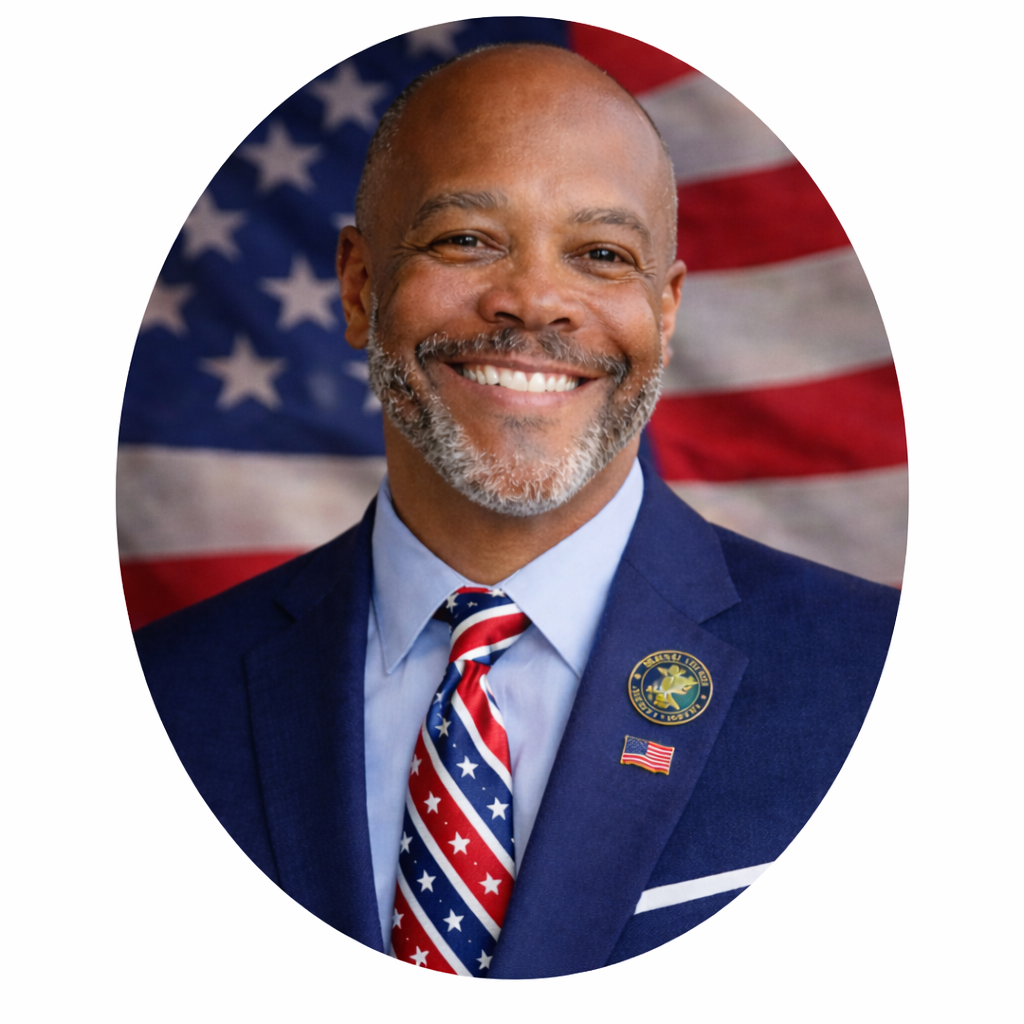
Willie Daniel
Willie Daniel is the Founder and Chief Executive Officer (CEO) of Global Vets Consulting (GVC) – National Veterans Disability Services, a veteran-led educational and medical evidence support organization dedicated to helping veterans better understand VA disability rating increases, DBQ medical evidence, secondary claims education, and C&P examination preparation.
He is a retired U.S. Army Medical Service Corps Officer with more than 27 years of honorable military service, a decorated Iraq combat veteran, and a retired federal official with the U.S. Department of Veterans Affairs. Throughout his military and federal career, Willie Daniel served in leadership, healthcare administration, operational, and veteran-support roles focused on improving services and support systems for servicemembers, veterans, and their families.
Drawing from decades of military leadership, healthcare administration, veteran advocacy, and federal government experience, Willie Daniel brings a practical, veteran-centered perspective to Global Vets Consulting’s educational articles, AI-powered veteran resources, video education initiatives, and outreach programs. His experience navigating military systems, medical documentation processes, and veteran-related administrative operations provides valuable insight into many of the challenges veterans face when seeking to better understand VA disability rating criteria, medical evidence, documentation strategies, and secondary condition education.
Through GVC’s “Veterans Helping Veterans” mission, his focus is on delivering clear, educational, and easy-to-understand information designed to empower veterans with knowledge, resources, and educational tools that may help them make more informed decisions regarding their individual VA disability journeys.
The information provided through GVC is intended for educational and informational purposes only and should not be considered legal or medical advice.
Disclaimer
Disclaimer: Global Vets Consulting, LLC (“GVC”) is a veteran-led educational and medical evidence support organization. GVC is not a law firm, is not a Veterans Service Organization (VSO), and is not affiliated with the U.S. Department of Veterans Affairs (VA) or any government agency.
Global Vets Consulting does not provide legal advice, medical advice, medical treatment, or healthcare services. GVC does not prepare, file, or submit VA disability claims on behalf of veterans. All information provided through this website, blog articles, videos, educational materials, AI tools, dashboards, templates, and communications is intended solely for general educational and informational purposes.
Veterans are encouraged to consult with accredited representatives, licensed attorneys, qualified medical providers, or Veterans Service Organizations regarding their specific legal, medical, or VA-related matters. VA disability decisions, ratings, and outcomes are determined solely by the U.S. Department of Veterans Affairs based on applicable laws, regulations, medical evidence, and individual circumstances. Past results do not guarantee future outcomes.