
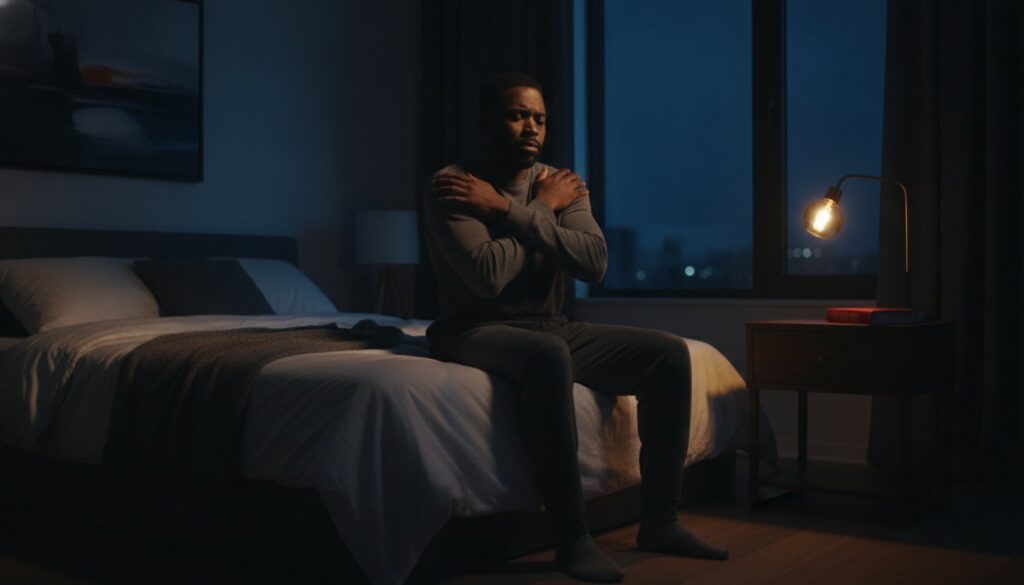
Imagine lying awake at 3:00 AM, staring at the ceiling while a throbbing back injury or nerve pain makes it impossible to find a comfortable position. You aren’t just tired; you’re reaching a breaking point where chronic exhaustion impacts your performance at work and your presence with your family. Many veterans find themselves trapped in this cycle, yet they often struggle to secure a va claim for sleep disturbance secondary to pain because the VA frequently denies these cases for a lack of nexus.
It’s deeply frustrating to have your symptoms dismissed when the link between your physical agony and your restless nights is undeniable. You deserve a disability rating that reflects the full reality of your service-connected conditions. This 2026 guide will show you exactly how to bridge that gap. We’ll explore the specific medical evidence required, how to utilize the correct Disability Benefits Questionnaire (DBQ), and what the current rating schedule means for your combined disability percentage.
Key Takeaways
- Understand the “Pain-Sleep Cycle” and how chronic musculoskeletal injuries create a direct physiological barrier to restorative REM sleep.
- Learn how to establish a secondary service connection to successfully secure a va claim for sleep disturbance secondary to pain by linking your symptoms to existing disabilities.
- Discover why the Disability Benefits Questionnaire (DBQ) is the gold standard for evidence and how it accurately documents the functional impact of sleep deprivation on your daily life.
- Navigate the 2026 VA rating schedule and follow a step-by-step process for filing a Fully Developed Claim to minimize administrative delays and maximize your rating.
The Physiological Link: Why Sleep Disturbance is Secondary to Pain
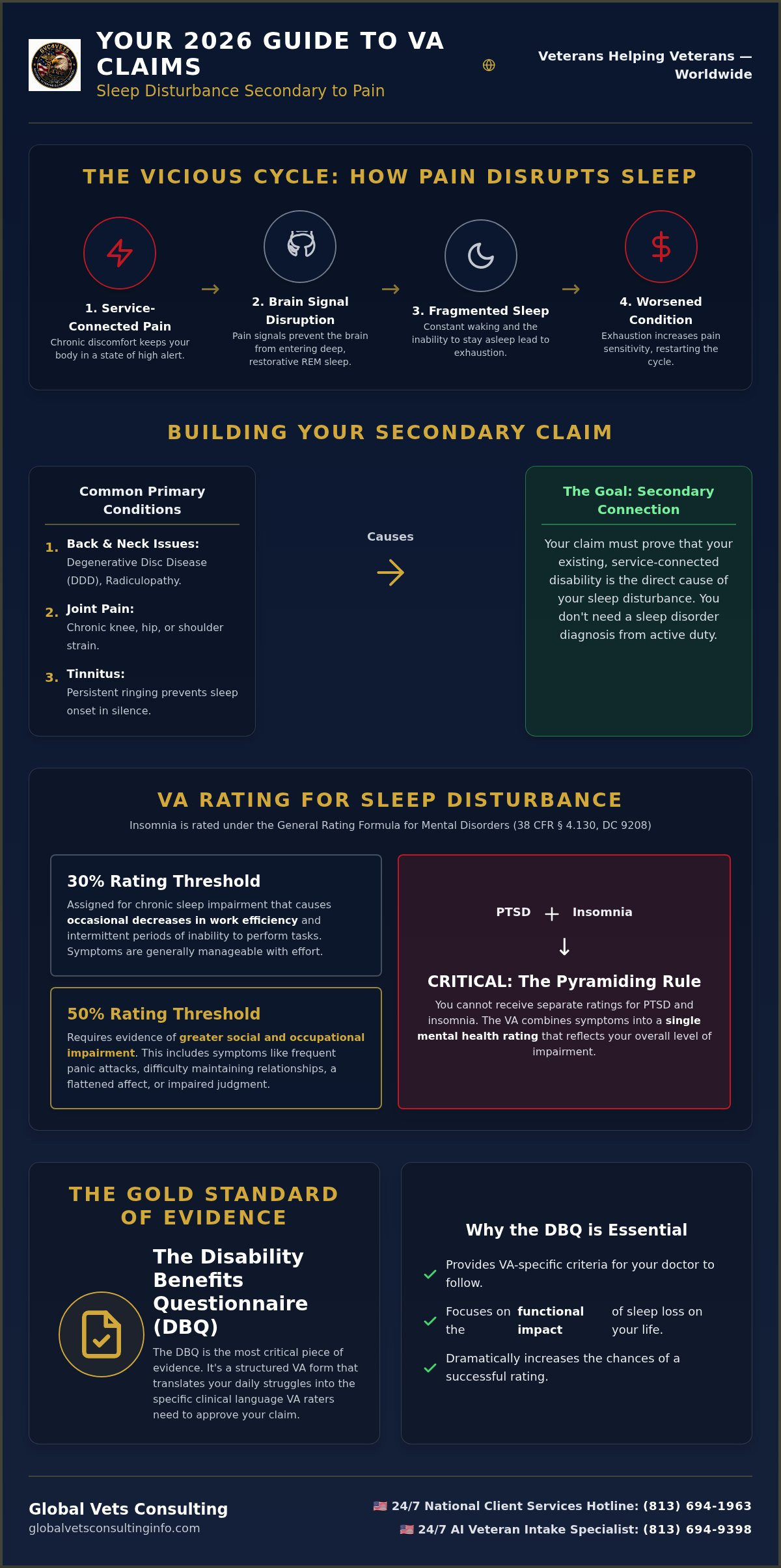
A va claim for sleep disturbance secondary to pain is built on the reality that your service-connected injuries don’t exist in a vacuum. When you live with constant physical discomfort, your body remains in a state of high alert. This persistent stress creates a “Pain-Sleep Cycle” where chronic signals prevent your brain from entering the deep, restorative stages of REM sleep. You aren’t just having a bad night; your primary disability is actively blocking your body’s ability to recover.
Understanding The Physiological Link: Why Sleep Disturbance is Secondary to Pain is the first step toward a successful claim. It’s important to remember that you don’t need a sleep disorder diagnosis from your time on active duty. If your current service-connected pain is the direct cause of your insomnia or fragmented sleep, you have the basis for a secondary connection. Clear documentation of this link is what transforms a frustrated denial into a successful rating.
Back and Neck Conditions
Degenerative Disc Disease (DDD) and Radiculopathy are common primary conditions that lead to secondary sleep issues. These injuries often cause sharp, radiating pain that flares up with the slightest movement. Every time you shift in bed, a nerve pinch can jolt you awake, making it impossible to stay asleep for more than a few hours at a time.
Joint Issues and Tinnitus
Chronic knee, hip, or shoulder strains often make finding a neutral, pain-free position a nightly struggle. The physical stress of these joint issues leads to fragmented rest and daytime exhaustion. Additionally, conditions like tinnitus can prevent sleep onset. In the silence of a bedroom, the persistent ringing becomes unavoidable, keeping your mind engaged when it should be winding down.
VA Rating Criteria for Sleep Disturbances in 2026
When filing a va claim for sleep disturbance secondary to pain, it’s vital to understand that the VA does not have a dedicated “sleep disturbance” rating schedule. Instead, they evaluate chronic sleep issues, such as insomnia, under the General Rating Formula for Mental Disorders (38 CFR § 4.130). This is a distinct category from Sleep Apnea, which is rated under Diagnostic Code 6847 as a respiratory condition. Insomnia falls under Diagnostic Code 9208. The Link Between Chronic Pain and Sleep Problems is well documented, and the VA recognizes that physical agony often translates into mental health symptoms like sleep deprivation.
The VA assigns a rating of 0%, 10%, 30%, 50%, 70%, or 100% based on how severely your symptoms impair your life. One critical rule to remember is the “Pyramiding Rule.” Since the VA rates insomnia under the mental health schedule, you cannot receive separate ratings for both PTSD and sleep disturbance. They will combine these symptoms into a single rating that reflects your overall level of social and occupational impairment. Understanding these nuances is key to preparing your evidence, and reviewing educational resources on mental health ratings can help you align your documentation with VA standards.
Understanding the 30% and 50% Rating Thresholds
A 30% rating is typically assigned when chronic sleep impairment causes occasional decreases in work efficiency. This level reflects symptoms that are persistent but generally manageable with effort. In contrast, a 50% rating requires evidence of greater social and occupational impairment. This often includes frequent panic attacks, a flattened affect, or difficulty maintaining productive relationships. Moving from 30% to 50% often depends on how clearly your medical evidence describes these functional limitations.
Essential Evidence: The Role of the DBQ in Your Claim
Securing a va claim for sleep disturbance secondary to pain depends heavily on the quality of your medical documentation. The VA relies on a specific format called a Disability Benefits Questionnaire to standardize how conditions are evaluated. If you aren’t familiar with what is a dbq for va claims, it’s essentially a structured report that ensures your physician addresses the exact criteria the VA uses for ratings. This document is the gold standard for evidence because it translates your daily struggles into the clinical language the rater needs to see.
A Mental Health DBQ is particularly effective because it focuses on the functional impact of your condition. It captures how exhaustion from chronic pain affects your social and occupational life. Evidence from a systematic scoping review highlights that the interplay between pain and sleep is a significant clinical burden for veterans. When preparing a va claim for sleep disturbance secondary to pain, you must include a Nexus Letter. This letter provides the medical reasoning that links your sleep disorder directly to your primary service-connected pain, preventing the common “lack of nexus” denial.
While the VA will schedule a Compensation and Pension (C&P) exam, private medical evidence is often more thorough. A private provider who knows your history can take the time to document every flare-up and sleepless night. This level of detail is rarely captured in a brief C&P appointment. If you’re ready to strengthen your case, our DBQ preparation education can help you organize the evidence necessary for a successful filing.
Gathering Your Evidence Checklist
- Current Diagnosis: You must have a formal diagnosis of a sleep disorder, like chronic insomnia, from a qualified medical professional.
- Standardized DBQ: Ensure your DBQ is completed by a professional who understands the 2026 VA rating requirements.
- Lay Statements: Include buddy statements from family or coworkers that describe your nightly struggles and daytime fatigue.
Filing Your Claim and Navigating the VA Process
Initiating a va claim for sleep disturbance secondary to pain begins with filing VA Form 21-526EZ. To minimize administrative delays, we recommend submitting a Fully Developed Claim (FDC). This means you provide all relevant medical evidence, including your private DBQ and nexus letter, at the same time you file. By following the va disability claims process step by step, you can ensure your application is organized and ready for a rater’s review. Filing a va claim for sleep disturbance secondary to pain is about proving the functional link between your physical agony and your nightly exhaustion.
During the Compensation and Pension (C&P) exam, it’s vital to describe your “worst days.” If your back pain keeps you awake until dawn three nights a week, that is the reality the examiner must record. Don’t minimize your struggle; however, remain honest and precise without exaggerating. If your va claim is denied for lack of evidence, don’t lose hope. Denials often happen when the medical nexus isn’t explicitly clear, which can be corrected through a supplemental claim with stronger documentation.
The Importance of Professional Documentation
Global Vets Consulting streamlines the educational process for veterans by focusing on the accuracy and thoroughness of your evidence. We help you understand how to present your condition so that it meets the “more likely than not” legal threshold required for a secondary connection. Our goal is to ensure that your service-connected pain is correctly identified as the root cause of your sleep impairment. If you’re feeling overwhelmed by the paperwork or unsure of your next move, contact our 24/7 National Client Services Hotline for the support and guidance you’ve earned.
Take the Next Step Toward Your Earned Disability Benefits
Navigating a va claim for sleep disturbance secondary to pain requires more than just describing your fatigue. It demands a strategic approach that connects your physical agony to your sleep impairment through clear, clinical documentation. By focusing on the “Pain-Sleep Cycle” and utilizing standardized Disability Benefits Questionnaires, you can provide the VA with the high-quality evidence needed to establish a secondary service connection. You’ve already done the hard work of serving; now it’s time to ensure your disability rating reflects the full impact of your injuries on your daily life.
As a veteran-owned and operated team, we understand the complexities of the system and are dedicated to providing the expert DBQ education you need to succeed. Our 24/7 National Client Services Hotline is always available to support you through every step of this process. Don’t let administrative confusion stand between you and the compensation you deserve. Get the Professional DBQ Documentation You Need for Your VA Claim today and move forward with the confidence that your case is built on a foundation of professional accuracy. You don’t have to fight this battle alone.
Frequently Asked Questions
Can I get a VA rating for sleep disturbance if I don’t have sleep apnea?
Yes, you can receive a rating for sleep disturbances even without a sleep apnea diagnosis. The VA evaluates conditions like chronic insomnia under the General Rating Formula for Mental Disorders rather than the respiratory schedule. This allows you to file a va claim for sleep disturbance secondary to pain by showing how your physical injuries disrupt your rest, regardless of whether you have breathing issues or use a CPAP machine.
How much does the VA pay for a 50% insomnia rating in 2026?
For a single veteran with no dependents, a 50% disability rating pays approximately $1,133.00 per month in 2026. This amount reflects the 2.8% cost-of-living adjustment that began on December 1, 2025. If you have a spouse or children, your monthly compensation will be higher. This rating level requires evidence of significant occupational and social impairment caused by your chronic sleep deprivation and functional limitations.
What is the difference between a primary and a secondary VA claim?
A primary claim is for a condition directly caused by your military service, while a secondary claim is for an injury caused or aggravated by a primary disability. If your service-connected back pain makes it impossible to sleep, you would file a va claim for sleep disturbance secondary to pain. This strategy ensures the VA accounts for the full scope of how your service-connected injuries impact your overall health.
Do I need a new C&P exam for a secondary sleep disturbance claim?
You should expect to attend a new Compensation and Pension (C&P) exam for any secondary condition you claim. The VA must verify the severity of your symptoms and the medical nexus linking your sleep issues to your pain. Providing a private Disability Benefits Questionnaire (DBQ) can help the examiner understand your history and may reduce the time it takes to reach a final decision on your rating.
Can sleep disturbance be secondary to tinnitus?
Yes, sleep disturbance is commonly rated as secondary to tinnitus. The constant ringing in the ears often prevents veterans from falling asleep, leading to chronic insomnia and daytime exhaustion. To succeed with this claim, your medical evidence must show that the tinnitus is the specific barrier to your rest. This connection is typically evaluated under the mental health rating schedule to determine your combined disability percentage.

Article by
Willie Daniel
Willie Daniel is the Founder and Chief Executive Officer (CEO) of Global Vets Consulting (GVC4Vets) – National Veterans Disability Services, a veteran-led educational and medical evidence support organization dedicated to helping veterans better understand VA disability rating increases, DBQ medical evidence, secondary claims education, and C&P examination preparation.
He is a retired U.S. Army Medical Service Corps Officer with more than 27 years of honorable military service, a decorated Iraq combat veteran, and a retired federal official with the U.S. Department of Veterans Affairs. Throughout his military and federal career, Willie Daniel served in leadership, healthcare administration, operational, and veteran-support roles focused on improving services and support systems for servicemembers, veterans, and their families.
Drawing from decades of military leadership, healthcare administration, veteran advocacy, and federal government experience, Willie Daniel brings a practical, veteran-centered perspective to Global Vets Consulting’s educational articles, AI-powered veteran resources, video education initiatives, and outreach programs. His experience navigating military systems, medical documentation processes, and veteran-related administrative operations provides valuable insight into many of the challenges veterans face when seeking to better understand VA disability rating criteria, medical evidence, documentation strategies, and secondary condition education.
Through GVC’s “Veterans Helping Veterans” mission, his focus is on delivering clear, educational, and easy-to-understand information designed to empower veterans with knowledge, resources, and educational tools that may help them make more informed decisions regarding their individual VA disability journeys.
The information provided through GVC is intended for educational and informational purposes only and should not be considered legal or medical advice.
Disclaimer
Disclaimer: Global Vets Consulting, LLC (“GVC”) is a veteran-led educational and medical evidence support organization. GVC is not a law firm, is not a Veterans Service Organization (VSO), and is not affiliated with the U.S. Department of Veterans Affairs (VA) or any government agency.
Global Vets Consulting does not provide legal advice, medical advice, medical treatment, or healthcare services. GVC does not prepare, file, or submit VA disability claims on behalf of veterans. All information provided through this website, blog articles, videos, educational materials, AI tools, dashboards, templates, and communications is intended solely for general educational and informational purposes.
Veterans are encouraged to consult with accredited representatives, licensed attorneys, qualified medical providers, or Veterans Service Organizations regarding their specific legal, medical, or VA-related matters. VA disability decisions, ratings, and outcomes are determined solely by the U.S. Department of Veterans Affairs based on applicable laws, regulations, medical evidence, and individual circumstances. Past results do not guarantee future outcomes.