
What if the difference between a 30-day claim approval and a grueling three-month wait was simply knowing how to submit a dbq to the va correctly? We understand the anxiety that comes with handling your own medical evidence. It’s common to fear that a technical error or a missed checkbox might lead the VA to overlook your private doctor’s findings, leaving your hard-earned benefits in limbo. 🇺🇸
You’ve done the heavy lifting by securing your own medical evidence, and you deserve a process that reflects that effort. This guide will help you master the VA submission system so you can file your Disability Benefits Questionnaire (DBQ) with total confidence. By following a few precise steps, you’ll ensure your evidence is uploaded securely and formatted to meet the 2026 standards established by the Elizabeth Dole Act. 📞
We’re going to break down the fastest way to get your documents into your electronic folder, explain how to leverage the Fully Developed Claims (FDC) program for a faster decision, and show you how to confirm your upload was successful. Let’s get your claim moving forward. 🌐
Key Takeaways
- Learn why submitting a completed Disability Benefits Questionnaire (DBQ) is the most effective way to trigger a Fully Developed Claim (FDC) and potentially reduce your processing time.
- Master the “Big Three” quality control checks to ensure your medical evidence isn’t ignored or returned due to missing doctor signatures or medical license numbers.
- Discover the exact digital steps for how to submit a dbq to the va through VA.gov to ensure your documents are uploaded securely and correctly to your electronic file.
- Understand how to track your claim through the “Evidence Gathering” stage and how to strategically manage C&P exam requests after your private evidence has been filed.
Understanding the Strategic Importance of Your DBQ Submission
Think of your Disability Benefits Questionnaire (DBQ) as the blueprint for your rating. It’s the primary tool the VA uses to evaluate the severity of your service-connected conditions. When you understand how to submit a dbq to the va, you aren’t just filing paperwork; you’re performing the final inspection of your claim evidence. This ensures the rater sees a clear, undeniable picture of your health before they make a decision. 🇺🇸
Choosing to submit a private DBQ often allows you to file under the Fully Developed Claim (FDC) program. This is a significant strategic advantage. While the average claim takes about 80 days to process as of May 2026, an FDC can result in a decision in as little as 30 days because you’ve already provided all the necessary evidence. Mastering how to submit a dbq to the va ensures your private medical evidence is actually reviewed, removing the guesswork for the VA rater and leading to more accurate ratings. 🌐
Why Submitting Early Matters for Your Effective Date
Filing your completed DBQ alongside an Intent to File is crucial for preserving your backpay. Your effective date is often the day you notify the VA of your intent, and having your medical evidence ready to go prevents delays that could cost you months of compensation. By submitting early, you also prevent the VA from relying solely on a generic Compensation & Pension (C&P) examination that might not capture the full extent of your symptoms. 📞
The Role of Private Evidence in 2026 Claims
In the current claims environment, private medical evidence functions as the backbone of your medical file. Understanding what is a dbq helps you realize its power; it provides a comprehensive view of your health that a 15-minute C&P exam often misses. For complex issues like VA Disability Benefits for PTSD, a private DBQ ensures that your specific social and occupational impairments are documented by a provider who actually knows your history. This level of detail is what earns the rating you’ve truly earned. 🇺🇸
Quality Control: 3 Things to Verify Before You Submit
Before you dive into the technical details of how to submit a dbq to the va, you must ensure the document itself is bulletproof. A single missing signature or a blurry scan can cause the VA to reject your private medical evidence entirely, forcing you back to square one. Think of this as your pre-flight checklist. The VA rater is looking for reasons to move to the next file; don’t give them one by submitting an incomplete form. 🇺🇸
Your first priority is verifying “The Big Three” on every page of your questionnaire. If these aren’t present, the VA will likely deem the document insufficient for rating purposes:
- The Date of Exam: This must be clearly legible to establish the current severity of your condition.
- The Doctor’s Signature: An unsigned form is just a piece of paper, not medical evidence.
- Medical License Number: The VA needs to verify that the individual completing the form is a qualified professional.
You also need to check every “Yes/No” box. It’s a common mistake for busy doctors to skip sections that seem redundant, but the VA often returns incomplete forms without a second look. Ensure your physician has provided a medical rationale that links your symptoms directly to the diagnostic criteria found in 38 CFR Part 4. If you need help understanding these requirements, our educational resources on medical evidence can provide the clarity you need to succeed. 🌐
Addressing the ‘Medical Nexus’ in Your DBQ
Confirm that your doctor has explicitly stated they reviewed your service treatment records (STRs). This review is what transforms a simple exam into a powerful nexus. The DBQ should reflect how your condition affects you today, providing a clear bridge between your military service and your current health status. 📞
Private Doctor vs. VA Examiner Forms
If you worked with a private doctor for your DBQ, verify they used the most current version of the Public Disability Benefits Questionnaires (DBQs). The VA updates these forms periodically, and using an outdated version is a fast track to a denial. Finally, ensure the physician’s specialty matches the condition. A musculoskeletal claim carries more weight when signed by an orthopedic specialist rather than a general practitioner. Before selecting a provider, veterans should review a comprehensive guide to obtaining a private dbq for va claim to understand how to differentiate legitimate providers from high-risk mills and ensure your evidence meets the VA’s strict actionable and sufficient standards. 🇺🇸
How to Submit a DBQ to the VA: Step-by-Step Instructions
Once you’ve verified your paperwork is flawless, it’s time to execute the digital upload. Knowing exactly how to submit a dbq to the va prevents your evidence from getting lost in the bureaucratic shuffle. Start by logging into your VA.gov account using your Login.gov, ID.me, or DS Logon credentials. Once you’re in, navigate to the ‘Check your claim or appeal status’ tool and select the active claim you’re supporting. 🇺🇸
Inside your claim details, select the ‘Files’ tab. You’ll see an option for ‘Additional Evidence.’ Click this to begin the upload process. It’s vital to choose the correct document type from the dropdown menu, specifically ‘Disability Benefits Questionnaire.’ This ensures your file is routed correctly to the rater’s desk. If you’re unsure about your evidence strategy, you can explore our DBQ and medical evidence education to ensure your package is complete. 📞
Method 1: The VA.gov Evidence Portal (Recommended)
This is the most common path for veterans. The portal accepts files in PDF, JPG, or PNG formats. Each file must be under 50MB. If your document is larger, you’ll need to split it or compress it. Always keep a screenshot of the ‘Success’ confirmation page. This is your digital receipt in case the VA claims they never received it. Learning About VA disability exams will help you understand how this evidence fits into the broader timeline after your upload is complete. 🌐
Method 2: Using the Direct Upload Tool
For a more streamlined experience, use the AccessVA ‘Direct Upload’ portal. This high-speed tool is often preferred for complex medical evidence packages. It allows for faster processing and is less likely to time out during large transfers. While the VA.gov portal is standard, the Direct Upload tool is a powerful alternative for veterans managing multiple conditions or extensive medical histories. 🇺🇸
What Happens After Submission? Tracking Your Evidence
After you’ve executed the steps for how to submit a dbq to the va, your claim transitions into the ‘Evidence Gathering, Review, and Decision’ phase. This is where the VA rater analyzes your medical evidence alongside your service records. It’s vital to stay vigilant during this time. Monitor your ‘Claim Letters’ tab on the VA portal daily for any specific requests for clarification. If a rater ignores your private DBQ and issues a lower rating, you have the right to file for a Higher-Level Review (HLR). This process allows a more senior reviewer to correct errors where evidence was overlooked. 🇺🇸
Handling C&P Exam Requests After Submission
The VA often schedules a C&P exam even if your submitted DBQ is sufficient. This usually happens because of their legal ‘duty to assist’. You can choose to attend and hand-deliver your private DBQ to the examiner, ensuring they have the full picture. If you feel your evidence is already complete, you can formally request a decision based on the ‘evidence of record’. Understanding the key differences when weighing a private medical opinion vs c&p exam can help you decide your strategy before the request arrives and keep you in control of the process. 📞
Partnering with Experts for a Seamless Claim
Don’t let the complexity of the VA system discourage you. Navigating these requirements is easier when you have a knowledgeable advocate in your corner. Finding the best DBQ service for veterans ensures that your medical documentation meets the high standards required for a successful rating increase. Global Vets Consulting is here to provide the educational resources and support needed to secure the benefits you’ve earned through your service. 🛡️
Global Vets Consulting Worldwide
24/7 AI Veteran Intake Specialist
GlobalVetsConsultingInfo.com
Take Command of Your VA Claim Today
You’ve now mastered the technical and strategic steps required to file your medical evidence with confidence. By prioritizing quality control and following the precise digital upload process, you’ve significantly increased your chances of a faster and more accurate rating. Mastering how to submit a dbq to the va is about more than just clicking a button; it’s about ensuring your service-connected conditions are documented with the thoroughness they deserve. 🇺🇸
Global Vets Consulting is a veteran-owned and operated team dedicated to helping you navigate these complex administrative hurdles. We specialize in providing education for complex secondary claims and ensuring your medical evidence is bulletproof. Our 24/7 National Client Services Hotline is always available to ensure you never have to face the VA bureaucracy alone. 📞
Get the Professional DBQ Support You Deserve – Contact Global Vets Consulting Today 🇺🇸
Your service was invaluable, and your disability benefits should reflect that dedication. Stay persistent, follow the process, and take the next step toward the rating you’ve earned. 🌐
Frequently Asked Questions
Can I submit a DBQ after I have already filed my claim?
Yes, you can add medical evidence to your file at any time while your claim is still open. You simply log in to VA.gov and navigate to your active claim to find the evidence upload section. Be aware that adding new documents after your initial filing might move your case out of the Fully Developed Claim lane. This change could potentially extend your wait time beyond the 30-day FDC target.
How long does it take for the VA to process an uploaded DBQ?
The VA typically processes a claim in about 80 days, though your specific document will show up in your electronic file much faster. Most veterans see their uploaded evidence reflected in the system within two to three business days. While the digital receipt is almost instant, the actual rating decision depends on the total volume of evidence and the complexity of your medical history.
Will the VA accept a DBQ from a private doctor in 2026?
Yes, the VA must accept medical evidence from private physicians as long as it meets their technical standards. The 2025 Elizabeth Dole Act reinforced this requirement by mandating that contractors provide these forms in digital formats. Learning how to submit a dbq to the va from your own doctor gives you more control over the evidence used to determine your final disability rating.
What should I do if the VA.gov portal is down during my submission?
You can use the AccessVA ‘Direct Upload’ tool as a reliable secondary option if the main portal is unavailable. This portal is specifically built for heavy document traffic and often bypasses the common login errors found on the standard site. If you’re facing a critical deadline, this tool ensures your evidence reaches the Evidence Intake Center without the delays of physical mail.
Do I need to submit a Nexus Letter along with my DBQ?
You don’t always need a Nexus Letter, but it’s a powerful companion to your questionnaire. The DBQ describes how severe your condition is today, while the Nexus Letter explains why it’s related to your military service. Submitting both ensures the rater has everything they need to grant service connection and an accurate rating without requesting more information or scheduling unnecessary exams.
Article by
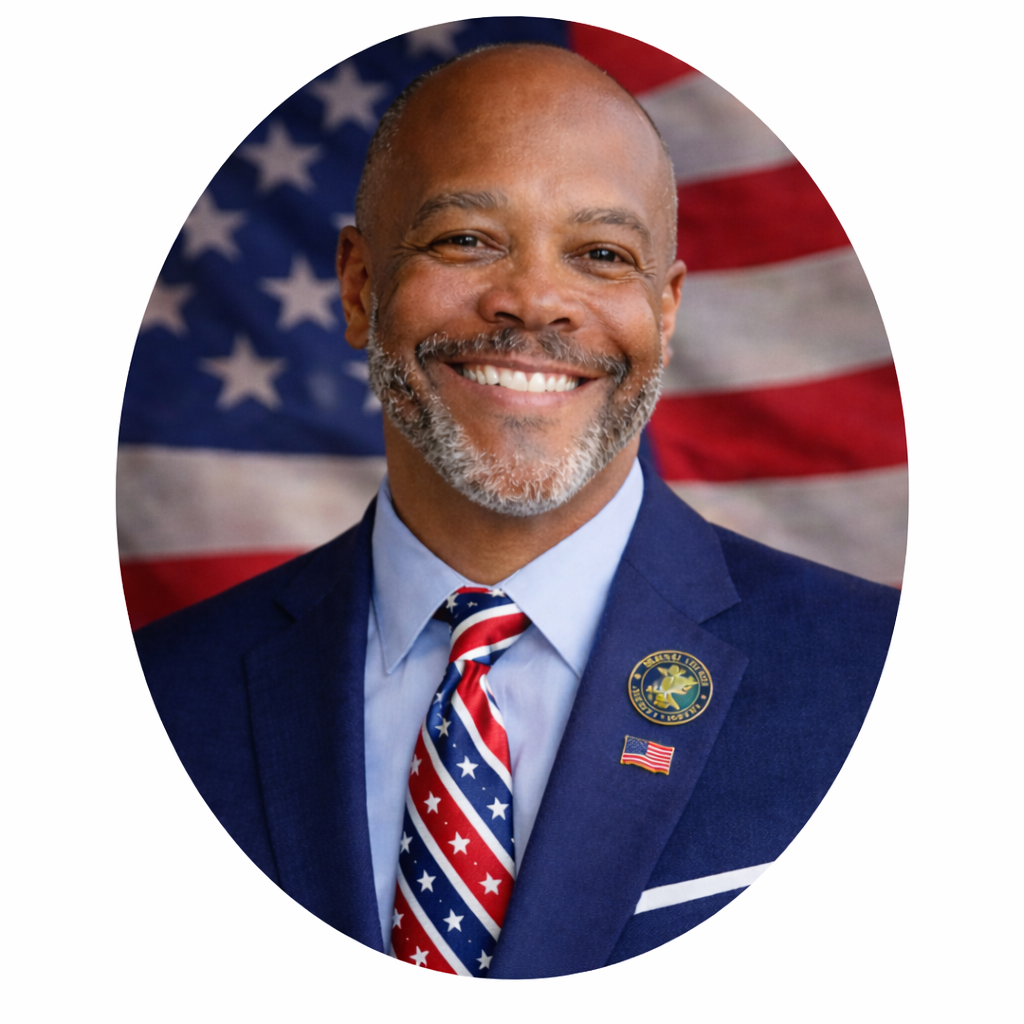
Willie Daniel
Willie Daniel is the Founder and Chief Executive Officer (CEO) of Global Vets Consulting (GVC) – National Veterans Disability Services, a veteran-led educational and medical evidence support organization dedicated to helping veterans better understand VA disability rating increases, DBQ medical evidence, secondary claims education, and C&P examination preparation.
He is a retired U.S. Army Medical Service Corps Officer with more than 27 years of honorable military service, a decorated Iraq combat veteran, and a retired federal official with the U.S. Department of Veterans Affairs. Throughout his military and federal career, Willie Daniel served in leadership, healthcare administration, operational, and veteran-support roles focused on improving services and support systems for servicemembers, veterans, and their families.
Drawing from decades of military leadership, healthcare administration, veteran advocacy, and federal government experience, Willie Daniel brings a practical, veteran-centered perspective to Global Vets Consulting’s educational articles, AI-powered veteran resources, video education initiatives, and outreach programs. His experience navigating military systems, medical documentation processes, and veteran-related administrative operations provides valuable insight into many of the challenges veterans face when seeking to better understand VA disability rating criteria, medical evidence, documentation strategies, and secondary condition education.
Through GVC’s “Veterans Helping Veterans” mission, his focus is on delivering clear, educational, and easy-to-understand information designed to empower veterans with knowledge, resources, and educational tools that may help them make more informed decisions regarding their individual VA disability journeys.
The information provided through GVC is intended for educational and informational purposes only and should not be considered legal or medical advice.
Disclaimer
Disclaimer: Global Vets Consulting, LLC (“GVC”) is a veteran-led educational and medical evidence support organization. GVC is not a law firm, is not a Veterans Service Organization (VSO), and is not affiliated with the U.S. Department of Veterans Affairs (VA) or any government agency.
Global Vets Consulting does not provide legal advice, medical advice, medical treatment, or healthcare services. GVC does not prepare, file, or submit VA disability claims on behalf of veterans. All information provided through this website, blog articles, videos, educational materials, AI tools, dashboards, templates, and communications is intended solely for general educational and informational purposes.
Veterans are encouraged to consult with accredited representatives, licensed attorneys, qualified medical providers, or Veterans Service Organizations regarding their specific legal, medical, or VA-related matters. VA disability decisions, ratings, and outcomes are determined solely by the U.S. Department of Veterans Affairs based on applicable laws, regulations, medical evidence, and individual circumstances. Past results do not guarantee future outcomes.

