
In 2026, relying solely on a VA-contracted C&P examiner to tell your story is often the fastest way to receive a rating that doesn’t reflect your reality. While the VA has improved its average claim completion time to 80.7 days, speed doesn’t always equal accuracy for veterans with complex conditions. It’s completely normal to feel anxious about an unfavorable exam or confused by the technical differences between DBQs and Nexus Letters. You deserve a claim process that values your service and recognizes the true impact of your injuries.
This guide explains how an independent medical opinion va serves as the strategic counter-evidence you need to balance the scales. You’ll learn exactly how an IMO can bridge the gap in your medical records and help you secure the disability rating you’ve earned. We will walk through the specific ways a professional medical review supports your service connection and provides a clear, predictable path toward a successful claim outcome.
Key Takeaways
- Understand the “at least as likely as not” legal threshold and how a formal medical statement objectively proves your service connection.
- Learn to distinguish between an independent medical opinion va, a Nexus Letter, and a DBQ to ensure your claim contains the correct evidence trifecta.
- Identify critical scenarios where an IMO is essential, such as proving secondary conditions or direct connections that manifested years after separation.
- Discover why a thorough C-File review is the foundation of a credible medical opinion that withstands VA scrutiny.
- Gain insights into choosing a qualified medical provider who uses the specific language and evidentiary standards required for a successful rating.
What is an Independent Medical Opinion (IMO) for VA Disability?
An independent medical opinion va is a formal written statement from a licensed physician who has thoroughly reviewed your claims folder and medical history. Unlike an Independent Medical Evaluation (IME), which requires a physical visit, an IMO is primarily a comprehensive record review. This document functions as a professional Independent Medical Review (IMR) designed to provide an objective perspective on your condition. It’s often the missing link needed to address gaps in your military service records or to provide a robust rebuttal against a previous denial.
The core of any successful IMO is the “at least as likely as not” standard. This is the legal threshold the VA uses to determine service connection. It means there is a 50% or greater probability that your current disability was caused or aggravated by your military service. When your evidence is in a state of “equipoise,” or equal weight, the VA is legally required to give you the benefit of the doubt. A well-crafted IMO provides the medical rationale to tip that balance in your favor.
IMO vs. C&P Exam: Why an Independent View Matters
Many veterans walk out of a Compensation and Pension (C&P) exam feeling unheard or dismissed. It’s an emotionally draining experience to have years of pain summarized in a 15-minute appointment by a VA-contracted examiner. These examiners often face high quotas and may lack the specialized knowledge required for your specific condition. This creates an atmosphere where the focus is on processing speed rather than meticulous accuracy.
You can level the playing field by seeking an independent view. This approach shifts your claim from a rushed transaction to a structured process based on professional documentation. When you provide a detailed analysis that VA examiners might overlook, you ensure your history is respected. This results in a more accurate rating that reflects your true physical or mental health status. An independent medical opinion va provides the steady, expert voice you need to challenge an inconsistent C&P exam and secure your benefits.
IMO, Nexus Letter, and DBQ: Decoding the Evidence Requirements
Success in a VA claim depends on more than just submitting a stack of records. It requires what we call the “Evidence Trifecta”: the Nexus, the IMO, and the DBQ. While a Nexus Letter establishes the fundamental link and an independent medical opinion va provides the expert medical rationale, the Disability Benefits Questionnaires (DBQ) ensure the VA rater understands the specific severity of your symptoms. These documents aren’t separate, unrelated products. They are integrated tools that work together to prove your case from every angle.
The VA is notoriously strict about medical language. Vague phrases or non-specific descriptions often lead to denials because they don’t meet the legal criteria found in the VA regulation on IMOs. In 2026, staying current with regulatory updates is vital for your success. The PACT Act has expanded presumptive service connections for toxic exposures, which simplifies the process for certain conditions. However, an independent medical opinion va remains a critical tool for non-presumptive or secondary conditions where the medical link isn’t automatic. Following the VA disability claims process step by step helps you organize this evidence into a cohesive submission that is difficult for the VA to ignore.
The Anatomy of a Winning Nexus Statement
A strong Nexus statement must contain three essential elements: a clear current diagnosis, evidence of an in-service event or injury, and a definitive medical link connecting the two. Phrases like “might be related” or “could be linked” are too weak for the VA’s standards. You need a physician to state that your condition is “at least as likely as not” caused by your service, backed by a strong, evidence-based rationale. Professional DBQ preparation ensures that your functional limitations are captured accurately, leaving no room for the VA to downplay your symptoms. If you feel overwhelmed by these requirements, exploring educational resources for VA claims can provide the clarity you need to move forward with confidence.

When Should a Veteran Seek an Independent Medical Opinion?
Knowing when to introduce an independent medical opinion va into your claim can be the difference between a prompt approval and a years-long appeal. While the VA has significantly streamlined its processing times in 2026, the clinical complexity of certain conditions hasn’t changed. You should consider an IMO if your disability manifested years after your separation or if you’re trying to establish a secondary service connection. These situations often require a deeper level of medical scrutiny than a standard C&P exam provides.
An IMO is also a vital tool for those appealing a denial. To file a Supplemental Claim, you must provide “new and relevant” evidence. A comprehensive medical opinion from an outside expert meets this requirement by offering a fresh perspective the VA hasn’t yet considered. If your symptoms have worsened over time, you can use a dbq for va disability rating increase to provide the medical weight needed to secure a higher percentage. This ensures your compensation matches the actual severity of your current health status.
Identifying Complex and Secondary Claims
Secondary service connections are among the most frequently denied claims because they rely on a physiological link that isn’t always obvious to a general examiner. Common examples include developing radiculopathy secondary to back condition or GERD secondary to medications taken for chronic pain. The VA often denies these because the initial examiner failed to bridge the gap between the two conditions. An independent medical opinion va resolves this by providing a robust medical rationale that explains exactly how your primary condition caused or aggravated the secondary one.
The importance of specialist alignment cannot be overstated. If you’re dealing with neurological conditions or a TBI, a report from a board-certified neurologist carries significantly more weight than a general examiner’s notes. In 2026, with the PACT Act fully matured and proposed rating changes for sleep apnea and mental health taking effect, having a specialist’s voice on your side is more critical than ever. To ensure your evidence is prepared correctly, you can explore our educational resources for secondary VA claims to start building a stronger case today.
While seeking specialized domestic opinions, some veterans also look into international healthcare excellence; for example, Jabez Medical Guide facilitates medical tourism South Korea for those seeking access to world-class specialists and advanced diagnostic services.
How to Leverage Medical Evidence for a Successful VA Claim
Securing your benefits requires a methodical approach to evidence. The foundation of any valid independent medical opinion va is a complete review of your Claims File, or C-File. This document contains your entire history with the VA, including previous medical records and rating decisions. Without it, a physician cannot provide a truly comprehensive opinion that addresses the specific reasons for any prior denials. By providing a clear roadmap of your medical history, you ensure the rater has no reason to question the validity of your claim. Understanding exactly which documents move the needle is essential, which is why reviewing a comprehensive guide to medical evidence for VA disability claim success can help you present your case with the clarity the VA rewards.
Choosing the right provider is just as critical as the evidence itself. You need a physician who isn’t just a medical expert but also understands the nuances of VA evidentiary standards. Front-loading your claim with an independent medical opinion va and properly prepared DBQs allows you to submit a Fully Developed Claim (FDC). This strategy significantly reduces processing times. As of April 2026, the average claim completion time has dropped to 80.7 days. By presenting a complete package from day one, you move through the system with more predictability and less anxiety.
Next Steps: Documentation and Submission
Organizing your evidence before submission is a vital step in the process. Follow these steps to ensure your claim is ready for review:
- Request your C-File: Obtain your complete records to provide a full picture of your service history.
- Align with a specialist: Match your condition with a physician who has the relevant expertise.
- Use standardized forms: Ensure your symptoms are documented on the correct Disability Benefits Questionnaires.
VA raters prefer standardized DBQs because they follow the specific rating criteria used to evaluate disability severity. This format makes it easier for them to assign an accurate percentage without searching through disorganized notes. Global Vets Consulting specializes in veteran benefits education and resource awareness, helping you understand how to gather the necessary evidence. We streamline the education process so you can submit your paperwork with the confidence that it meets the highest standards of accuracy and thoroughness.
Take Control of Your VA Disability Outcome
You now understand how an independent medical opinion va serves as the strategic link between your military service and your current health reality. By combining a professional record review with standardized DBQs, you transform a confusing bureaucratic process into a clear, evidence-based claim. This methodical approach ensures that your functional limitations are documented with the precision the VA requires for a successful rating. Whether you’re filing for a secondary condition or appealing a prior denial, professional documentation is your strongest tool.
Global Vets Consulting has been veteran-owned and operated since 2021. We provide specialized education on complex secondary claims and standardized DBQ preparation to ensure your evaluations are accurate and thorough. Our mission is to provide the clarity and documentation support you need to move forward with confidence. Secure the medical documentation you need for your VA claim with Global Vets Consulting.
You’ve already done the hard work of serving your country. Now, it’s time to ensure you receive the benefits you’ve earned through that service. Stay focused on the path ahead and remember that professional evidence is your most reliable ally in this journey.
Frequently Asked Questions
Is an Independent Medical Opinion (IMO) the same as a DBQ?
No, an IMO and a DBQ are distinct documents with different administrative roles. An IMO provides the medical rationale linking your condition to your service, essentially explaining the “why” behind your claim. A DBQ is a standardized questionnaire that records the severity of your symptoms to determine your rating percentage. Using both together ensures the VA understands both why you’re service-connected and how significantly the condition impacts your daily life.
Can an IMO help if my VA claim was already denied?
Yes, an independent medical opinion va is one of the most effective ways to overcome a prior denial. To successfully file a Supplemental Claim, you must provide new and relevant evidence that the VA hasn’t previously considered. An IMO meets this standard by offering a professional medical analysis that addresses the specific gaps mentioned in your denial letter. It provides the expert perspective needed to challenge the VA’s previous findings.
Do I need to see a doctor in person for an Independent Medical Opinion?
You generally don’t need an in-person appointment for an IMO. This document is a comprehensive review of your existing medical records and service history rather than a new physical exam. The physician examines your C-File to establish a medical link between your service and your current diagnosis. If you require a new physical examination to determine symptom severity, that is technically an Independent Medical Evaluation (IME), which is a separate process.
How much weight does the VA give to a private doctor’s IMO compared to a C&P exam?
The VA must give your private independent medical opinion va the same consideration as a C&P exam. In many cases, an IMO carries more weight if it’s authored by a board-certified specialist who has reviewed your entire medical history. The VA rater looks for the strength of the medical rationale provided. A detailed, evidence-based opinion from a private expert is often more persuasive than a brief, 15-minute C&P examination.
What should I do if my C&P exam contradicts my private IMO?
You should request that the VA apply the “benefit of the doubt” rule. When your private medical evidence is just as persuasive as the C&P examiner’s report, the law requires the VA to rule in your favor. Pointing out that your private physician is a specialist or has reviewed more records than the VA’s contractor can help tip the scales. This creates a clear path for the rater to accept your evidence.
Article by
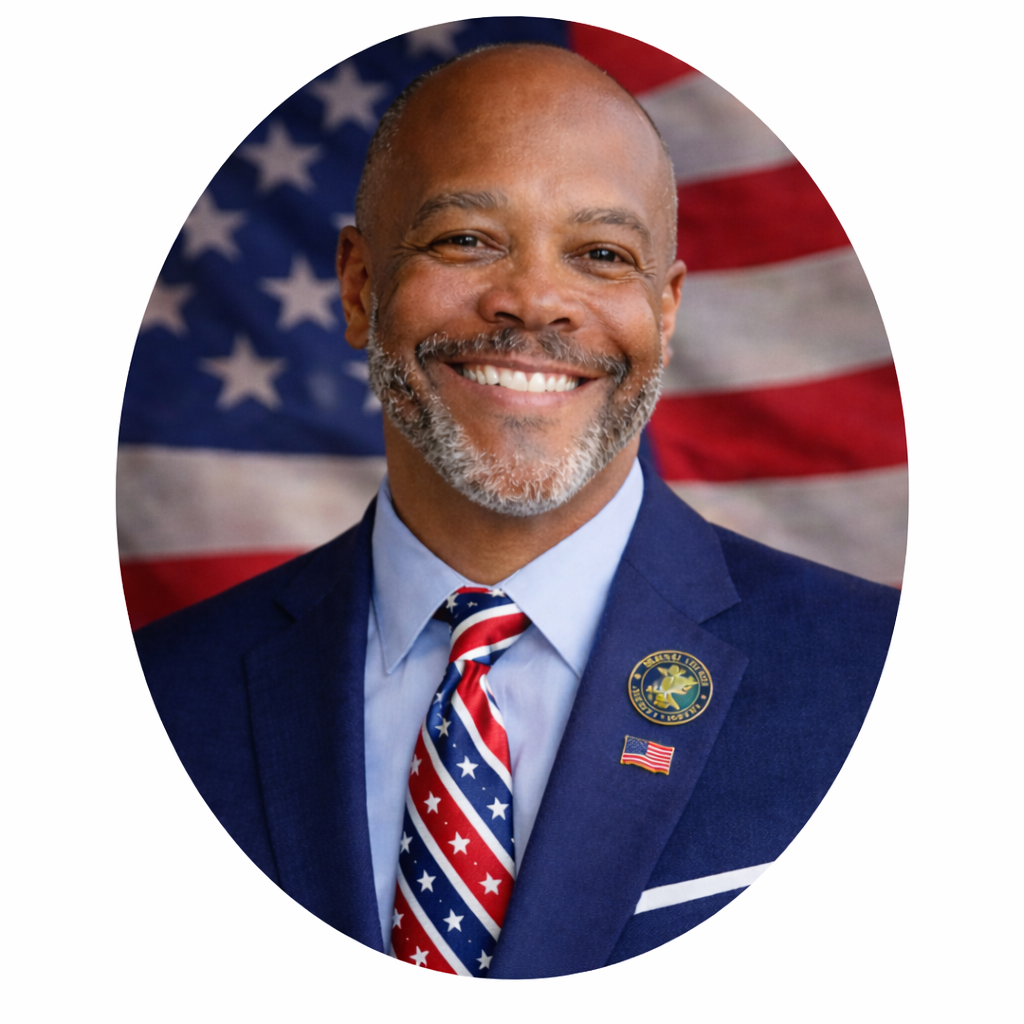
Willie Daniel
Willie Daniel is the Founder and Chief Executive Officer (CEO) of Global Vets Consulting (GVC) – National Veterans Disability Services, a veteran-led educational and medical evidence support organization dedicated to helping veterans better understand VA disability rating increases, DBQ medical evidence, secondary claims education, and C&P examination preparation.
He is a retired U.S. Army Medical Service Corps Officer with more than 27 years of honorable military service, a decorated Iraq combat veteran, and a retired federal official with the U.S. Department of Veterans Affairs. Throughout his military and federal career, Willie Daniel served in leadership, healthcare administration, operational, and veteran-support roles focused on improving services and support systems for servicemembers, veterans, and their families.
Drawing from decades of military leadership, healthcare administration, veteran advocacy, and federal government experience, Willie Daniel brings a practical, veteran-centered perspective to Global Vets Consulting’s educational articles, AI-powered veteran resources, video education initiatives, and outreach programs. His experience navigating military systems, medical documentation processes, and veteran-related administrative operations provides valuable insight into many of the challenges veterans face when seeking to better understand VA disability rating criteria, medical evidence, documentation strategies, and secondary condition education.
Through GVC’s “Veterans Helping Veterans” mission, his focus is on delivering clear, educational, and easy-to-understand information designed to empower veterans with knowledge, resources, and educational tools that may help them make more informed decisions regarding their individual VA disability journeys.
The information provided through GVC is intended for educational and informational purposes only and should not be considered legal or medical advice.
Disclaimer
Disclaimer: Global Vets Consulting, LLC (“GVC”) is a veteran-led educational and medical evidence support organization. GVC is not a law firm, is not a Veterans Service Organization (VSO), and is not affiliated with the U.S. Department of Veterans Affairs (VA) or any government agency.
Global Vets Consulting does not provide legal advice, medical advice, medical treatment, or healthcare services. GVC does not prepare, file, or submit VA disability claims on behalf of veterans. All information provided through this website, blog articles, videos, educational materials, AI tools, dashboards, templates, and communications is intended solely for general educational and informational purposes.
Veterans are encouraged to consult with accredited representatives, licensed attorneys, qualified medical providers, or Veterans Service Organizations regarding their specific legal, medical, or VA-related matters. VA disability decisions, ratings, and outcomes are determined solely by the U.S. Department of Veterans Affairs based on applicable laws, regulations, medical evidence, and individual circumstances. Past results do not guarantee future outcomes.