What if the reason your VA disability claim keeps getting denied or under-rated isn't because your service-connected condition isn't severe: but because you're fighting a bureaucratic war with yesterday's strategy?
When the news breaks that S. 4487: the Veterans’ Compensation Cost-of-Living Adjustment Act of 2026: has officially dropped in the Senate, the temptation for every veteran is to sit back, watch the calendar, and wait for that bump in their monthly deposit. But let’s cut through the smoke. While lawmakers debate numbers on Capitol Hill, sweeping regulatory shifts and administrative pivots are underway at the Department of Veterans Affairs. If you aren't paying attention to critical 38 CFR updates, those modest financial gains could vanish before the ink dries on the December 1, 2026 effective date.
At Global Vets Consulting (GVC4Vets), we don't sugarcoat the battlefield. Navigating the VA disability claims process is a mission that demands a tactical blueprint. In this deep dive, we expose the reality behind the 2026 COLA drop, uncover hidden regulatory changes, and arm you with the evidence-based strategy you need to protect your rating.
Key Takeaways
- The COLA Reality: S. 4487 establishes a routine cost-of-living adjustment effective December 1, 2026, but it does not fix systemic rating downgrades or arbitrary criteria.
- Functional Impairment Traps: The VA continues to lean heavily on 38 CFR §4.10, prioritizing what you can do over mere diagnoses during C&P exams.
- Legislative Bullet Dodged (For Now): The Take Care Act (H.R. 9237): which threatened to slash sleep apnea ratings to 0% for CPAP users: remains stalled in the House, but vigilance is mandatory.
- Form Reductions Equal Risk: The VA's push to streamline Form 21-526EZ from 15 to 5 pages means less physical space to document your full narrative, making independent medical documentation more vital than ever.
- Evidence is Your Armor: Utilizing rigorous, objective medical evidence: such as independent DBQs: remains the ultimate shield against rushed ratings and administrative denials.
Table of Contents
- The S. 4487 Senate Drop: Understanding the 2026 VA COLA Increase
- The 3 Hidden 38 CFR Updates Threatening Your Rating
- The Stalled Take Care Act (H.R. 9237): Sleep Apnea and Tinnitus in Crosshairs
- Form 21-526EZ Streamlining: Why Fewer Pages Mean Higher Stakes
- AI Rumors vs. GAO Reality & PACT Act Presumptive Expansion
- Actionable Strategy Checklist for Veterans
- Frequently Asked Questions (FAQ)

1. The S. 4487 Senate Drop: Understanding the 2026 VA COLA Increase
Introduced by Senator Jerry Moran with bipartisan cosponsors, S. 4487 is designed to provide an annual cost-of-living adjustment to VA disability compensation, Dependency and Indemnity Compensation (DIC), and clothing allowances, scheduled to take effect on December 1, 2026.
Here is what you need to understand: This is a routine statutory adjustment, not a bonus or a rating increase. It ties VA benefit percentages directly to the Social Security Administration's annual inflation calculation. While every dollar counts: especially in an unpredictable economy: relying solely on a standard VA disability increase to cover your financial needs is a defensive posture.
If your underlying service-connected rating is locked at an artificially low percentage due to an inadequate initial exam, a 2.8% or 3% COLA on a broken baseline still leaves money on the table. You need an offensive strategy that ensures your rated percentages reflect the true severity of your conditions under federal law.
2. The 3 Hidden 38 CFR Updates Threatening Your Rating
Beyond congressional headlines, adjudicators and contracted C&P examiners are operating under strict internal guidance tied to Title 38 of the Code of Federal Regulations. Ignoring these operational shifts is one of the most common VA secrets that traps unprepared claimants.
Update 1: The Strict Application of 38 CFR §4.10 (Functional Impairment)
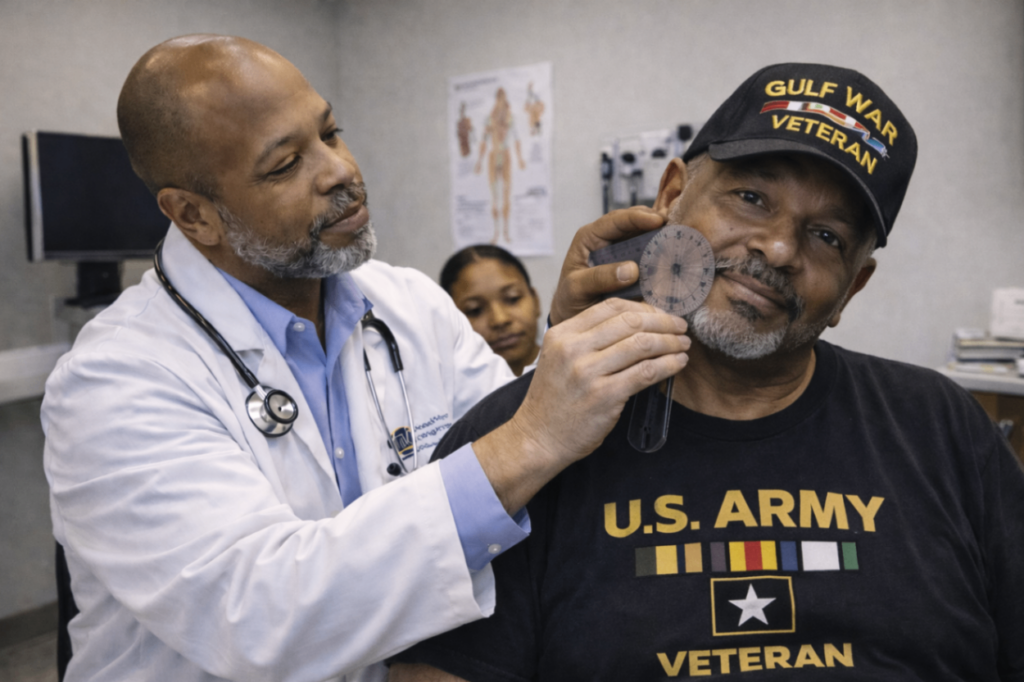
The VA has reinforced its insistence on "functional impairment" evaluations. Examiners are trained to evaluate how a disability restricts your daily activities and earning capacity: not just whether you carry a specific medical label. If your medical evidence only lists a diagnosis code without documenting specific functional loss (such as range of motion restrictions, painful motion under §4.59, or flare-up frequency), raters will routinely drop your percentage.
Update 2: Tightened Nexus Standards for Secondary Service Connection
As secondary claims for conditions like radiculopathy secondary to lower back pain or migraines secondary to service-connected tinnitus surge, rating boards are applying hyper-technical scrutiny to medical nexus letters. A casual doctor's note saying "it could be related" is instantly shredded.
Update 3: Heightened Scrutiny on Static Disabilities and Re-Evaluations
While routine re-evaluations are technically protected past certain thresholds (such as the 5-year and 20-year rules under 38 CFR §3.957), regional offices are aggressively auditing files where initial documentation lacked objective diagnostic backing.

3. The Stalled Take Care Act (H.R. 9237): Sleep Apnea and Tinnitus in Crosshairs
For months, the veteran community has buzzed with anxiety over H.R. 9237: the Take Care Act. This proposed legislation threatened to completely overhaul how respiratory and auditory conditions are rated, most notably by attempting to eliminate the 50% rating for sleep apnea users utilizing CPAP machines, reducing it to 0% unless complete respiratory impairment can be proven. It also sought to heavily restrict tinnitus compensation.
As of right now, the Take Care Act remains stalled in the House. This is a massive temporary victory for the hundreds of thousands of veterans relying on sleep apnea ratings. However, veteran advocacy groups at GVC4Vets warn that budgetary pressures in Washington mean these proposals will likely resurface.
Expert Directive: Do not wait for legislative changes to catch up to your health. If you are currently service-connected for sleep apnea or tinnitus at legacy rates, ensure your medical records reflect any concurrent secondary conditions: such as cardiovascular strain or service-connected mental health impacts: to safeguard your overall disability tier.
4. Form 21-526EZ Streamlining: Why Fewer Pages Mean Higher Stakes
In an effort to reduce backlogs, the VA is overhauling Form 21-526EZ, condensing the application packet from 15 pages down to just 5 pages.
While a shorter form sounds like administrative relief, it introduces a dangerous trap: fewer pages mean less built-in space to tell your full service story and articulate secondary symptoms. When veterans submit stripped-down application forms without attaching robust, independent medical evidence and comprehensive Disability Benefits Questionnaires (DBQs), raters are forced to rely on brief, sometimes rushed C&P exam reports.
To combat this, you must verify that every claim submission is accompanied by independent, specialist-backed documentation that fills the narrative gaps left by shortened government forms.
5. AI Rumors vs. GAO Reality & PACT Act Presumptive Expansion
Rumors frequently circulate across veteran forums claiming the VA is deploying artificial intelligence to unilaterally deny or adjudicate disability claims. However, recent Government Accountability Office (GAO) confirmations clarify that the VA is NOT currently using AI for claims adjudication, though exploratory pilots are underway. Human raters still make the final determinations: meaning human bias, rushed reviews, and misread medical files remain the primary hurdles.
Simultaneously, the continued rollout of the PACT Act has added over 20 burn-pit and Agent Orange toxic exposure conditions to the presumptive service connection list. If you served in eligible Southwest Asia theaters or tactical hazard zones, qualifying for these conditions is faster than ever: provided your initial diagnostic coding matches VA criteria precisely.

6. Actionable Strategy Checklist for Veterans
Do not leave your financial future to chance. Execute this tactical checklist before filing your next claim or requesting a rating increase:
- Audit Your Current Rating: Review your last rating decision letter to identify which conditions are static versus those subject to future re-evaluation.
- Secure Independent DBQs: Never rely solely on a standard C&P exam. Partner with licensed independent physicians through networks like GVC4Vets to obtain objective, VA-compliant medical documentation.
- Document Functional Loss: Ensure your medical notes explicitly detail range-of-motion limitations, flare-up frequency, and impact on daily occupational functioning under 38 CFR.
- Track Legislative and Regulatory Shifts: Monitor updates regarding COLA percentages, PACT Act expansions, and proposed rating schedule overhauls.
- Bridge the Narrative Gap: Supplement streamlined application forms with detailed personal statements (VA Form 21-4138 or 21-10210) outlining your day-to-day struggles.
Frequently Asked Questions (FAQ)
1. When will the 2026 VA COLA increase actually hit my bank account?
If S. 4487 passes and is enacted as anticipated, the cost-of-living adjustment becomes effective on December 1, 2026. Because the VA pays benefits in arrears, the increased amount will typically appear in your January 2027 disability deposit.
2. Do I need to submit a new application to receive the COLA increase?
No. Annual cost-of-living adjustments tied to S. 4487 are applied automatically by the VA to all existing service-connected disability compensation, DIC, and clothing allowance payments. You do not need to reapply to receive the percentage bump.
3. What happened to the proposal to cut sleep apnea ratings to 0%?
The legislation known as the Take Care Act (H.R. 9237), which proposed cutting sleep apnea ratings for CPAP users and tightening tinnitus criteria, remains stalled in the House. Current rating criteria for sleep apnea remain at 50% if mandated the use of a breathing assistive device, but veterans should remain vigilant.
4. How does GVC4Vets help veterans secure accurate disability ratings?
Global Vets Consulting (GVC4Vets) connects veterans with an extensive network of over 800 independent, licensed physicians. We specialize in facilitating independent medical evaluations and preparing rigorous, VA-compliant medical documentation: such as Disability Benefits Questionnaires (DBQs): to help veterans bridge the gap between their subjective pain and objective rater requirements.

Ready to take control of your claim? Don't let bureaucratic shortcuts or hidden regulatory changes shortchange your future. Connect with the experts at Global Vets Consulting (GVC4Vets) today to secure the objective medical evidence and professional guidance you deserve.