

Most veterans assume that reaching a 100% disability rating is the finish line for VA compensation, but for those who require daily assistance, it’s actually just the beginning. Securing the right dbq for aid and attendance va claim is the most critical step in moving beyond standard disability pay into the higher tiers of Special Monthly Compensation (SMC). You’ve likely felt the frustration of trying to decode “VA Math” or felt anxious that a brief C&P exam won’t capture the reality of your daily struggles. It’s exhausting to feel like you’re fighting a system that should be supporting your need for home care.
We’re here to show you exactly how to bridge that gap by mastering the medical documentation the VA requires. This guide provides a clear roadmap through SMC-L to SMC-R levels and explains how the right medical evidence can finally secure the compensation you’ve earned. You’ll learn how to gather the necessary evidence to ensure your daily challenges are accurately reflected in your file, giving you the peace of mind and the financial support you deserve for your home care needs.
Key Takeaways
- Learn how Special Monthly Compensation (SMC) functions as a tax-free benefit that unlocks higher pay tiers beyond the standard 100% rating.
- Explore the specific criteria for SMC Levels L through R to determine which tier of daily assistance best reflects your current living situation.
- Discover why securing a precise dbq for aid and attendance va claim is the most effective way to provide the clinical evidence required for an approval.
- Identify the essential forms you need, including VA Form 21-2680, to ensure your claim accurately reflects your need for regular aid and attendance.
What is Special Monthly Compensation (SMC) for Aid and Attendance? 🇺🇸
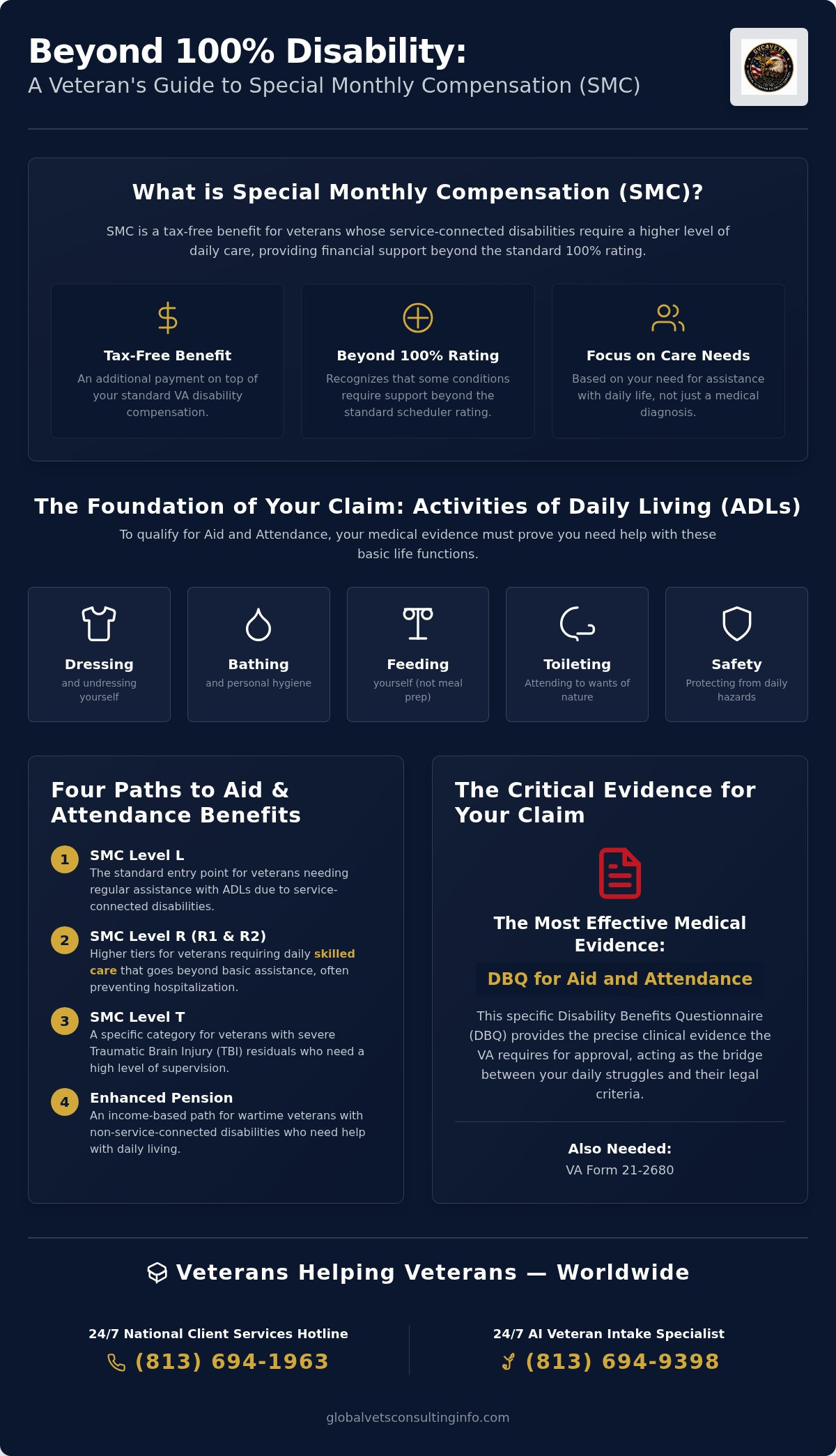
Special Monthly Compensation (SMC) is a tax-free benefit designed to support veterans whose service-connected disabilities go beyond the standard rating schedule. While most veterans focus on reaching a 100% rating, SMC recognizes that some conditions require a higher level of care and financial support. Aid and Attendance (A&A) isn’t just a single rating; it’s a status that unlocks higher compensation levels, ranging from SMC-L through SMC-R. Unlike standard disability pay, which is calculated based on the severity of a medical diagnosis, SMC focuses on your need for another person to assist with basic life functions. As we look toward 2026, these rates are expected to provide a vital financial boost to help veterans and their families manage the rising costs of professional home health care.
To qualify for these higher tiers, the VA requires specific evidence that your disabilities prevent you from living safely without help. This is where a dbq for aid and attendance va claim becomes essential. It acts as the clinical bridge between your daily struggles and the VA’s legal requirements for compensation. By documenting how your conditions impact your independence, you move the conversation from simple “VA Math” to a human-centric evaluation of your care needs.
The Role of Activities of Daily Living (ADLs)
The VA evaluates your need for A&A based on your ability to perform Activities of Daily Living (ADLs) independently. To secure an approval, your medical evidence must clearly document your inability to perform these tasks without help. Key ADLs include:
- Dressing and undressing yourself.
- Bathing and attending to personal hygiene.
- Feeding yourself.
- Attending to the wants of nature.
- Protecting yourself from hazards in your daily environment.
Activities of Daily Living are the primary metric the VA uses to determine SMC-L eligibility and the overall necessity for a caregiver.
SMC-L: The Entry Point for Aid and Attendance
SMC-L serves as the entry point for veterans seeking Aid and Attendance benefits. You may qualify for this level if you are bedridden or if your physical or mental incapacity requires a protective environment to keep you safe. One common misconception is that you must already have a single 100% rating to apply. In reality, SMC-L can be awarded even if your individual conditions don’t reach the 100% threshold, provided the cumulative effect of your disabilities creates a need for regular assistance. Utilizing a precise dbq for aid and attendance va claim ensures the VA rater sees the full scope of your limitations rather than just a list of medical codes.
The Five Paths to Aid and Attendance Benefits
Understanding the VA’s complex hierarchy of benefits requires a clear look at the specific categories available to you. There isn’t just one “Aid and Attendance” rating. Instead, the VA recognizes several distinct paths based on the nature of your disability and the intensity of care you require. Whether your condition is service-connected or you’re a wartime veteran seeking a pension, your dbq for aid and attendance va claim must align with the correct legal criteria to be successful.
- SMC Level L: This is the standard entry point for veterans who require regular aid and attendance to perform daily tasks due to service-connected disabilities.
- SMC Level R (R1 & R2): These higher tiers are reserved for veterans who need a greater level of daily skilled care that goes beyond basic assistance.
- SMC Level T: This category was specifically created for veterans suffering from the residuals of a Traumatic Brain Injury (TBI) who require a high level of supervision.
- Enhanced Pension: This is an income-based path for wartime veterans with non-service-connected disabilities who need help with daily living.
If you’re unsure which path fits your medical history, exploring independent medical evidence education can clarify your next steps.
Understanding the Jump from SMC-L to SMC-R
SMC-R1 and R2 represent the highest levels of compensation the VA offers. To qualify for these tiers, you must already meet the requirements for SMC-O or a combination of ratings that reach that level. These benefits are specifically intended for veterans who would otherwise require hospitalization or nursing home care without the presence of a skilled caregiver in the home. It’s a critical financial bridge for families who wish to keep their loved ones at home rather than in an institutional setting. This transition focuses on the need for “skilled” care, which is more intensive than basic aid with daily chores.
SMC for TBI: The Level T Path
The Level T path ensures that veterans living with the cognitive and behavioral residuals of a Traumatic Brain Injury receive support equal to those with severe physical paralysis. This rating requires clinical evidence that you need a higher level of care due to cognitive issues rather than just physical limitations. When approved, SMC-T matches the compensation rate of SMC-R2, providing the resources necessary for specialized behavioral or cognitive supervision. Ensuring your dbq for aid and attendance va claim highlights these specific cognitive deficits is vital for a successful outcome. It acknowledges that mental and behavioral struggles require just as much care as physical ones.
The Critical Role of a DBQ for Aid and Attendance VA Claims
The VA frequently denies Aid and Attendance claims because the submitted medical evidence is too vague or fails to use specific VA terminology. Simply telling a rater that you struggle at home isn’t enough to secure a high-tier rating. You need clinical proof that speaks the VA’s language. A private dbq for va disability rating increase provides the specific clinical detail the VA rater needs to justify your benefits. Your doctor must clearly document exactly why you cannot perform specific Activities of Daily Living (ADLs) rather than just stating that you need help. Global Vets Consulting specializes in educating veterans on how to secure this high-level documentation to ensure your limitations are seen and understood.
Why Standard Medical Records Often Fail
Most veterans rely on their hospital discharge summaries or treatment notes, but these documents focus on recovery rather than your daily functional limitations. A doctor might write that your pain is “stable,” which a VA rater could interpret as a lack of need for daily care. Understanding what is a dbq for va claims helps you see that these forms are specifically structured to answer the VA’s legal questions. A properly completed dbq for aid and attendance va claim can often bypass the need for a stressful C&P exam by providing all necessary evidence upfront.
Bridging the Evidence Gap with Global Vets
We help you understand the va disability claims process step by step to ensure no critical evidence is missed during your filing. Our mission is Veterans Helping Veterans. We know the intricacies of the system because we’ve navigated it ourselves. Our 24/7 AI intake specialist streamlines the initial evidence review, identifying gaps in your current records before you submit your claim. This methodical approach reduces anxiety and sets a clear path toward the compensation you’ve earned. If you want to ensure your medical evidence is accurate and thorough, explore our medical evidence education resources to get started today.
Filing Your SMC Claim to Maximize Your Rating in 2026
Filing for Special Monthly Compensation isn’t about luck; it’s about executing a structured evidence strategy. Your first step is gathering VA Form 21-2680, which serves as the official Examination for Housebound or Aid and Attendance. Once you have this form, you must secure a private dbq for aid and attendance va claim that provides the clinical depth the VA’s standard forms might miss. This DBQ should detail the severity of your condition and its direct impact on your daily autonomy. When your evidence is ready, submit your package as a Fully Developed Claim (FDC). By doing this, you signal to the VA that no further evidence is needed, which often reduces the wait time for a decision. Finally, spend time reviewing your medical history to prepare for a potential C&P exam so you can speak clearly about your limitations.
Preparing for the SMC C&P Exam
When you walk into a C&P exam, the examiner is looking for a snapshot of your daily routine. It’s vital that you’re honest about your worst days, not just how you feel in that specific moment. If you’ve had a va claim denied for lack of evidence before, you understand that vague records are the enemy of an approval. Your dbq for aid and attendance va claim acts as your strongest advocate, ensuring the rater sees the full scope of your limitations even if the examiner’s report is brief. Clear, secondary medical opinions can often bridge the gap between a frustrating denial and a life-changing rating increase.
Taking Immediate Action with Global Vets Consulting
You don’t have to handle this mission alone. Our 24/7 National Client Services Hotline is available to provide immediate support and clarity on your evidence needs. You can also engage with our AI Veteran Intake Specialist on our website to start your evidence-gathering process today. We’re dedicated to a mission of Veterans Helping Veterans, offering a steady and reliable partnership for those who served. Our goal is to ensure that every veteran has access to the high-level documentation required to secure their earned benefits. We’re here to provide the meticulous support you deserve as you pursue the compensation your service has earned. 🇺🇸
Secure Your Care and Compensation in 2026
You now have the roadmap to move beyond standard disability ratings and into the higher levels of Special Monthly Compensation. By focusing on Activities of Daily Living and the specific clinical requirements of SMC-L through SMC-R, you can ensure the VA understands the true extent of your care needs. Remember that vague hospital notes aren’t enough. You need documentation that speaks the VA’s language to avoid unnecessary denials and delays.
Securing a precise dbq for aid and attendance va claim is the most effective way to provide this evidence and protect your future. As a veteran-owned and operated organization, we’re dedicated to helping our peers navigate these complex administrative missions with integrity and transparency. Ready to secure the benefits you have earned? Connect with Global Vets Consulting today for expert DBQ support. Our 24/7 National Client Services Hotline at 800-484-0551 is standing by to provide the mission-driven support veterans worldwide deserve.
Don’t let the complexity of the system stand in the way of the care you need. You’ve served your country with honor, and now it’s time to ensure the system recognizes your needs with the same level of respect. Take the next step toward a more secure future with steady confidence and a reliable partner in your corner.
Frequently Asked Questions
Can I get SMC for Aid and Attendance if I am not at 100% disability?
Yes, you can qualify for SMC-L even if you don’t have a single 100% rating. The VA focuses on your physical or mental inability to care for yourself rather than just your combined rating percentage. This is a common misconception that often prevents veterans from applying for the assistance they truly need. If your service-connected conditions require regular aid and attendance, you’re eligible to apply for this higher tier of compensation.
What is the difference between Housebound benefits (SMC-S) and Aid and Attendance?
Housebound benefits (SMC-S) are for veterans substantially confined to their immediate premises, while Aid and Attendance (SMC-L) is a higher tier for those requiring help with Activities of Daily Living. While both recognize a loss of independence, SMC-L addresses the need for another person to assist with tasks like bathing, dressing, or protecting you from hazards. You can’t receive both for the same condition; therefore, documenting the higher level of care through a dbq for aid and attendance va claim is essential for maximizing your monthly compensation.
Do I need a lawyer to apply for Special Monthly Compensation?
You don’t need a lawyer to apply for SMC because the process is primarily driven by clinical medical evidence rather than legal arguments. Many veterans find that using professional DBQ preparation and education services allows them to submit a Fully Developed Claim with confidence. This peer-to-peer approach streamlines the process and ensures your medical necessity is clearly outlined without the need for a lengthy or expensive legal engagement.
How much does SMC Aid and Attendance pay in 2026?
In 2026, SMC rates are adjusted for inflation to help veterans manage the rising costs of professional home health care. While SMC-L serves as the entry point, compensation levels can reach SMC-R2, which offers significantly higher monthly pay than a standard 100% rating. You should always check the official 2026 VA Pay Charts for exact dollar amounts based on your specific dependency status and the level of skilled care your condition requires.
What happens if the VA denies my SMC claim for lack of evidence?
If your claim is denied for lack of evidence, you should first review the Rating Decision letter to identify exactly what the rater found missing. Most denials occur because the evidence doesn’t sufficiently detail your struggles with Activities of Daily Living in a way the VA recognizes. Securing a private dbq for aid and attendance va claim that uses precise VA clinical language can bridge this gap and provide the foundation for a successful Supplemental Claim or Higher-Level Review.
Article by
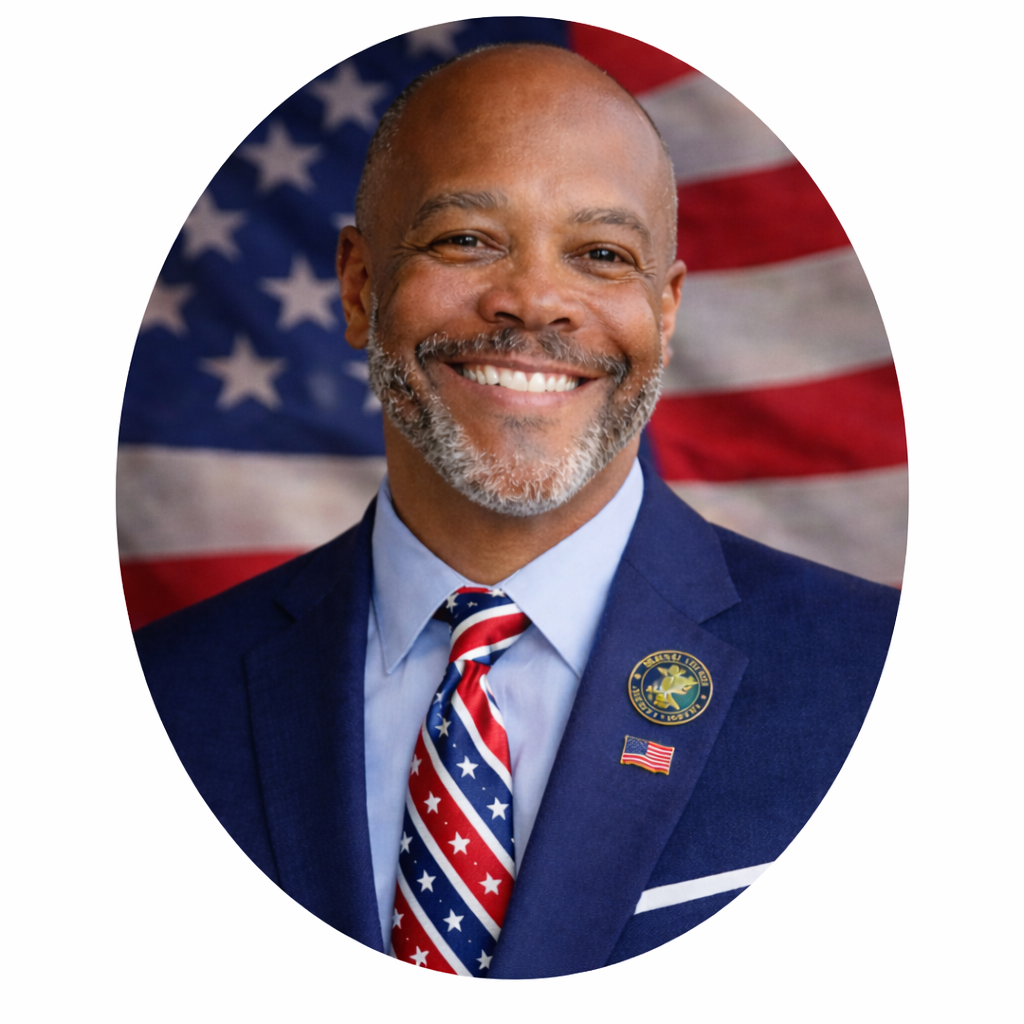
Willie Daniel
Willie Daniel is the Founder and Chief Executive Officer (CEO) of Global Vets Consulting (GVC4Vets) – National Veterans Disability Services, a veteran-led educational and medical evidence support organization dedicated to helping veterans better understand VA disability rating increases, DBQ medical evidence, secondary claims education, and C&P examination preparation.
He is a retired U.S. Army Medical Service Corps Officer with more than 27 years of honorable military service, a decorated Iraq combat veteran, and a retired federal official with the U.S. Department of Veterans Affairs. Throughout his military and federal career, Willie Daniel served in leadership, healthcare administration, operational, and veteran-support roles focused on improving services and support systems for servicemembers, veterans, and their families.
Drawing from decades of military leadership, healthcare administration, veteran advocacy, and federal government experience, Willie Daniel brings a practical, veteran-centered perspective to Global Vets Consulting’s educational articles, AI-powered veteran resources, video education initiatives, and outreach programs. His experience navigating military systems, medical documentation processes, and veteran-related administrative operations provides valuable insight into many of the challenges veterans face when seeking to better understand VA disability rating criteria, medical evidence, documentation strategies, and secondary condition education.
Through GVC’s “Veterans Helping Veterans” mission, his focus is on delivering clear, educational, and easy-to-understand information designed to empower veterans with knowledge, resources, and educational tools that may help them make more informed decisions regarding their individual VA disability journeys.
The information provided through GVC is intended for educational and informational purposes only and should not be considered legal or medical advice.
Disclaimer
Disclaimer: Global Vets Consulting, LLC (“GVC”) is a veteran-led educational and medical evidence support organization. GVC is not a law firm, is not a Veterans Service Organization (VSO), and is not affiliated with the U.S. Department of Veterans Affairs (VA) or any government agency.
Global Vets Consulting does not provide legal advice, medical advice, medical treatment, or healthcare services. GVC does not prepare, file, or submit VA disability claims on behalf of veterans. All information provided through this website, blog articles, videos, educational materials, AI tools, dashboards, templates, and communications is intended solely for general educational and informational purposes.
Veterans are encouraged to consult with accredited representatives, licensed attorneys, qualified medical providers, or Veterans Service Organizations regarding their specific legal, medical, or VA-related matters. VA disability decisions, ratings, and outcomes are determined solely by the U.S. Department of Veterans Affairs based on applicable laws, regulations, medical evidence, and individual circumstances. Past results do not guarantee future outcomes.

