
A doctor’s diagnosis is the foundation of your claim, but it’s almost never the reason you actually win. Many veterans feel a deep sense of frustration when the VA denies a claim despite a stack of medical records. You might find yourself asking what makes a medical opinion persuasive to the va when your own provider’s notes are pushed aside in favor of a brief C&P exam. The reality is that the VA evaluates evidence based on “probative value,” a standard that measures the logic and clinical data behind a physician’s conclusion rather than just the diagnosis itself.
It’s exhausting to feel like you’re speaking a different language than the rating officials. We know the anxiety that comes with submitting evidence only to have it dismissed. This article teaches you the specific criteria the VA uses to weigh medical evidence so you can submit a persuasive claim that gets results. We’ll explain how to provide the detailed rationale required for a successful outcome. By understanding these legal and medical standards, you can secure a fair disability rating increase and ensure your medical history is treated with the respect it deserves.
Key Takeaways
- Learn how “probative value” dictates what makes a medical opinion persuasive to the va by ensuring your evidence contains a clear, evidence-based rationale.
- Understand the “Equipose Rule,” which requires the VA to grant the benefit of the doubt to the veteran when medical evidence is equally balanced.
- Master the language of service connection by using specific VA terminology like the “Nexus” to bridge the gap between your military service and current condition.
- Discover how professional DBQ education and thorough history reviews create a roadmap that helps you submit a claim the VA cannot easily dismiss.
Understanding VA Probative Value: Why Some Medical Opinions Fail
Probative value isn’t a complex legal mystery; it’s simply the weight the Veterans Benefits Administration (VBA) gives to a piece of evidence. When you ask what makes a medical opinion persuasive to the va, you’re really asking how much “probative value” your doctor’s letter carries. Many claims fail because they’re “conclusory.” This means the doctor stated a result without explaining the clinical reasoning. To avoid this, you should follow a VA disability claims process step by step approach to ensure every fact is backed by evidence. If your evidence and the VA’s evidence are equally strong, the “Equipose Rule” applies. This rule dictates that the benefit of the doubt must go to the veteran.
The Threshold of Competency vs. Persuasiveness
A physician might be highly skilled, but that only makes them “competent” in the eyes of the VA. Persuasiveness is different. It requires a logical path from your service records to your current symptoms. The VA often favors C&P examiners because those providers are trained specifically in VA standards. If a private doctor doesn’t understand these specific legal requirements, their opinion might be technically accurate but legally weak.
Probative Value vs. Credibility
Credibility focuses on the doctor’s qualifications and truthfulness. Probative value focuses on the strength of the medical argument itself. To be effective, a medical opinion must bridge the gap between a specific service event and a current diagnosis by using clinical data and peer-reviewed research. High probative value is what makes a medical opinion persuasive to the va, ensuring the agency cannot easily dismiss your evidence during the rating process.
The 3 Pillars of a Persuasive Medical Opinion
To win your claim, your evidence must stand up to intense scrutiny. When evaluating what makes a medical opinion persuasive to the va, rating officials look for three specific pillars that support the doctor’s conclusion. Without these, even a high-quality diagnosis can be dismissed as “not supported by the record.” Standardized forms like Disability Benefits Questionnaires (DBQs) act as a roadmap to ensure these pillars are present.
- Pillar 1: A thorough review of your entire claims file (C-File) and service treatment records.
- Pillar 2: A clear, logical medical rationale that explains the “how” and “why” behind the diagnosis.
- Pillar 3: The inclusion of objective clinical findings, such as range of motion testing or imaging results.
The Power of a ‘Review of Records’
The most common reason private medical opinions fail is the omission of a records review statement. The VA needs to know your doctor considered both your military history and current private records. This creates a complete timeline of your condition. Understanding how medical opinions are considered shows that supportability is key to winning. Doctors should explicitly state they reviewed the C-File to prevent the VA from claiming the opinion was based on incomplete information.
Crafting a Logical Medical Rationale
Logic is the engine of a persuasive claim. A strong rationale moves beyond “the veteran says” and instead utilizes phrases like “medical literature suggests” or “clinical evidence shows.” Peer-reviewed studies add significant weight to your file by providing a scientific basis for your claim. If you need assistance organizing this data, seeking professional medical evidence education can help you present a case that clearly demonstrates what makes a medical opinion persuasive to the va.
Using VA Terminology: The Language of Service Connection
The VA operates on a specific legal vocabulary that differs significantly from standard clinical notes. To understand what makes a medical opinion persuasive to the va, you must master the “Nexus.” This is the clinical bridge linking your current diagnosis to a specific event, injury, or illness during your military service. Without a clearly defined Nexus, your claim is simply a list of symptoms without a cause. Using the wrong words is a fast track to a VA claim denied for lack of evidence, even if your doctor is on your side.
Direct vs. Secondary Service Connection
Persuasiveness shifts when you’re linking one condition to another. This is known as secondary service connection. For instance, many veterans develop GERD secondary to prolonged NSAID use for service-connected back pain. In these cases, the medical opinion must identify the “etiology,” or the exact cause, of the secondary issue. It isn’t enough to say the conditions coexist; the doctor must explain the biological mechanism by which the primary condition caused or aggravated the secondary one. This level of detail is what makes a medical opinion persuasive to the va in complex secondary claims.
The ‘Speculative’ Trap
Adjudicators frequently dismiss opinions that use soft, non-committal language. Words like “possibly,” “suggests,” or “could be” are labeled as “speculative” and carry almost no probative value. To be persuasive, a doctor must use the VA’s required degrees of certainty. The most critical phrase is “at least as likely as not,” which signals a 50% or greater probability of service connection. If you’re struggling with a denial, our secondary VA claims education can help you understand how to align your medical evidence with these strict legal standards.
How Professional DBQ Preparation Strengthens Persuasiveness 🇺🇸
The DBQ is more than a form; it’s a strategic roadmap. By using standardized documentation, you ensure no critical clinical evidence is missed. This structured approach is exactly what makes a medical opinion persuasive to the va because it speaks the language of the rating official directly. We educate veterans on complex requirements, such as the dbq for mental health conditions, where subjective symptoms must be supported by a clear medical history.
An Independent Medical Opinion (IMO) is your best defense against a poor C&P exam. If a VA examiner spends only ten minutes with you, a detailed IMO provides the necessary counter-weight. Before you submit your claim, use this final checklist to review your evidence:
- Does the opinion explicitly state a review of the C-File?
- Is the “at least as likely as not” terminology present?
- Are objective clinical findings and medical literature cited?
Global Vets Consulting: Veterans Helping Veterans 🌎
Our mission is built on the belief that those who served deserve a clear path to their earned benefits. We’re veteran-owned and operated, providing a peer-to-peer perspective that large medical groups often lack. Our detailed DBQ documentation ensures your medical limitations are accurately reflected. This meticulousness prevents the “lack of evidence” denials that stall so many claims.
Taking the Next Step Toward Your Rating Increase
Waiting to gather your evidence only extends the timeline for your VA rating increase. With the claims backlog falling below 75,000 in early 2026, the VA is processing files at a record pace. Don’t let a weak medical opinion slow you down. Contact our 24/7 AI Veteran Intake Specialist at GlobalVetsConsultingInfo.com for immediate guidance on what makes a medical opinion persuasive to the va today.

Secure Your Earned Benefits with Stronger Evidence
You now understand that what makes a medical opinion persuasive to the va is a combination of clinical logic, a thorough record review, and the correct legal terminology. By focusing on probative value rather than just a diagnosis, you avoid the common pitfalls that lead to denials. You have the power to submit evidence that is clear, logical, and impossible for the VA to ignore. This proactive approach is the key to moving beyond the frustration of a denied claim.
Global Vets Consulting is veteran-owned and operated, providing a 24/7 National Client Services Hotline to support you whenever you need it. We specialize in DBQ and Nexus education to ensure your documentation accurately reflects your medical status and limitations. Get the medical documentation you need at GlobalVetsConsultingInfo.com 🇺🇸. You’ve served your country with honor; now it’s time to ensure your medical evidence works just as hard to secure the future you’ve earned.
Frequently Asked Questions
What is the most important part of a VA medical opinion?
The medical rationale explaining the clinical link between your service and diagnosis is the most critical element. A doctor must provide a logical explanation using clinical data and medical literature to back up their conclusion. Without this “how and why,” the VA will likely view the opinion as conclusory. This results in the agency granting very little weight to the evidence during the rating process.
Can the VA ignore my private doctor’s medical opinion?
The VA cannot legally ignore your private medical evidence, but they can assign it low weight if it lacks specific details. To understand what makes a medical opinion persuasive to the va, you must ensure your doctor explicitly states they reviewed your service records. If a private opinion is less detailed than a C&P exam, the VA will typically favor their own examiner’s findings over yours.
What are the ‘magic words’ for a VA Nexus letter?
The essential legal phrase required for a successful nexus is “at least as likely as not.” This specific terminology tells the VA that there’s a 50% or greater probability that your condition was caused or aggravated by military service. Using speculative language like “possibly” or “maybe” often leads to a denial. These words fail to meet the VA’s evidentiary threshold for medical certainty.
How do I know if my medical evidence has probative value?
Evidence has probative value if it helps prove a specific fact in your claim, such as the direct cause of your injury. You can verify this by checking if your medical opinion includes objective clinical findings like imaging results or range of motion tests. High probative value is what makes a medical opinion persuasive to the va because it provides the adjudicator with scientific proof of your disability.
Is a DBQ enough to win my VA disability claim?
A DBQ is a powerful tool for standardizing evidence, but it works best when paired with a strong nexus letter and a full medical history. A DBQ accurately captures your current symptoms and limitations; however, you still need to prove those symptoms are service-connected. Combining a thorough DBQ with independent medical evidence education provides the most comprehensive package for securing a fair VA rating increase.
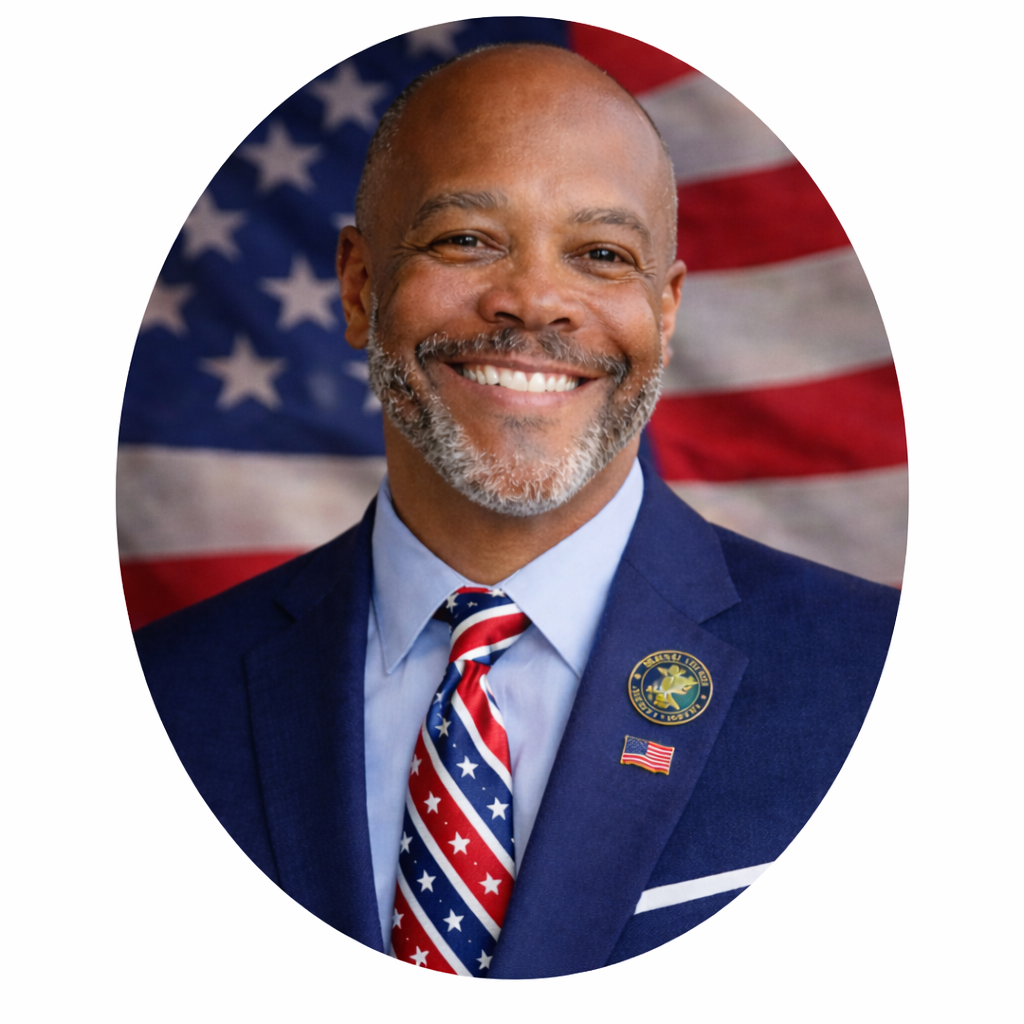
Article by
Willie Daniel
Willie Daniel is the Founder and Chief Executive Officer (CEO) of Global Vets Consulting (GVC4Vets) – National Veterans Disability Services, a veteran-led educational and medical evidence support organization dedicated to helping veterans better understand VA disability rating increases, DBQ medical evidence, secondary claims education, and C&P examination preparation.
He is a retired U.S. Army Medical Service Corps Officer with more than 27 years of honorable military service, a decorated Iraq combat veteran, and a retired federal official with the U.S. Department of Veterans Affairs. Throughout his military and federal career, Willie Daniel served in leadership, healthcare administration, operational, and veteran-support roles focused on improving services and support systems for servicemembers, veterans, and their families.
Drawing from decades of military leadership, healthcare administration, veteran advocacy, and federal government experience, Willie Daniel brings a practical, veteran-centered perspective to Global Vets Consulting’s educational articles, AI-powered veteran resources, video education initiatives, and outreach programs. His experience navigating military systems, medical documentation processes, and veteran-related administrative operations provides valuable insight into many of the challenges veterans face when seeking to better understand VA disability rating criteria, medical evidence, documentation strategies, and secondary condition education.
Through GVC’s “Veterans Helping Veterans” mission, his focus is on delivering clear, educational, and easy-to-understand information designed to empower veterans with knowledge, resources, and educational tools that may help them make more informed decisions regarding their individual VA disability journeys.
The information provided through GVC is intended for educational and informational purposes only and should not be considered legal or medical advice.
Disclaimer
Disclaimer: Global Vets Consulting, LLC (“GVC”) is a veteran-led educational and medical evidence support organization. GVC is not a law firm, is not a Veterans Service Organization (VSO), and is not affiliated with the U.S. Department of Veterans Affairs (VA) or any government agency.
Global Vets Consulting does not provide legal advice, medical advice, medical treatment, or healthcare services. GVC does not prepare, file, or submit VA disability claims on behalf of veterans. All information provided through this website, blog articles, videos, educational materials, AI tools, dashboards, templates, and communications is intended solely for general educational and informational purposes.
Veterans are encouraged to consult with accredited representatives, licensed attorneys, qualified medical providers, or Veterans Service Organizations regarding their specific legal, medical, or VA-related matters. VA disability decisions, ratings, and outcomes are determined solely by the U.S. Department of Veterans Affairs based on applicable laws, regulations, medical evidence, and individual circumstances. Past results do not guarantee future outcomes.